Muutke küpsiste eelistusi

E-raamat: Cambridge Companion to Caribbean Music

Edited by
Teised raamatud teemal:
  • Formaat - EPUB+DRM
  • Hind: 29,64 €*
  • * hind on lõplik, st. muud allahindlused enam ei rakendu
  • Lisa ostukorvi
  • Lisa soovinimekirja
  • See e-raamat on mõeldud ainult isiklikuks kasutamiseks. E-raamatuid ei saa tagastada.
Teised raamatud teemal:

DRM piirangud

  • Kopeerimine (copy/paste):

    ei ole lubatud

  • Printimine:

    ei ole lubatud

  • Kasutamine:

    Digitaalõiguste kaitse (DRM)
    Kirjastus on väljastanud selle e-raamatu krüpteeritud kujul, mis tähendab, et selle lugemiseks peate installeerima spetsiaalse tarkvara. Samuti peate looma endale  Adobe ID Rohkem infot siin. E-raamatut saab lugeda 1 kasutaja ning alla laadida kuni 6'de seadmesse (kõik autoriseeritud sama Adobe ID-ga).

    Vajalik tarkvara
    Mobiilsetes seadmetes (telefon või tahvelarvuti) lugemiseks peate installeerima selle tasuta rakenduse: PocketBook Reader (iOS / Android)

    PC või Mac seadmes lugemiseks peate installima Adobe Digital Editionsi (Seeon tasuta rakendus spetsiaalselt e-raamatute lugemiseks. Seda ei tohi segamini ajada Adober Reader'iga, mis tõenäoliselt on juba teie arvutisse installeeritud )

    Seda e-raamatut ei saa lugeda Amazon Kindle's. 

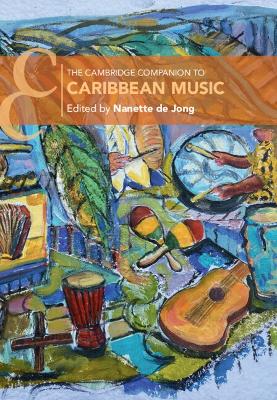
The diverse musics of the Caribbean form a vital part of the identity of individual island nations and their diasporic communities. At the same time, they witness to collective continuities and the interrelatedness that underlies the region's multi-layered complexity. This Companion introduces familiar and less familiar music practices from different nations, from reggae, calypso and salsa to tambú, méringue  and soca. Its multidisciplinary, thematic approach reveals how the music was shaped by strategies of resistance and accommodation during the colonial past and how it has developed in the postcolonial present. The book encourages a comparative and syncretic approach to studying the Caribbean, one that acknowledges its patchwork of fragmented, dynamic, plural and fluid differences. It is an innovative resource for scholars and students of Caribbean musical culture, particularly those seeking a decolonising perspective on the subject.

Muu info

Introduces the richly varied musical traditions of the Caribbean from interdisciplinary perspectives that will support decolonised curricula and research.
List of Figures
xiii
List of Contributors
xiv
Foreword xix
Lester Monts
Acknowledgements xxiii
1 Introduction to the Caribbean and Its History: An Overview
1(17)
Nanette De Jong
2 Race and Transculturation: Cuban Son
18(18)
Robin Moore
3 Salsa Soundings: Puerto Rico and the Americas
36(16)
Frances Aparicio
4 Blackness and Identity: Dominican Merengue
52(13)
Angelina Tallaj
5 From the Island to Global Stages: Dominican Bachata on the Move
65(17)
Deborah Pacini Hernandez
6 Investigating the Caribbean's African Past: Kokomakaku Stickdance from Curacao
82(13)
Nanette De Jong
7 Reframing Diasporic Belonging: Curacao Tambu Parties in the Netherlands
95(15)
Nanette De Jong
8 Competition, Conflict, and Cooperation: Haitian Kara
110(14)
Michael Largey
9 Uncovering Hidden Histories of Meaning: Guadeloupe Gwoka
124(21)
Brenda F. Berrian
10 The Foundations of Rap Music and Post-colonial Emancipation: Guadeloupe Hip-Hop
145(14)
Florabelle Spielmann
11 Konpa, Zouk, and the Politics of World Music: Haiti, Dominica, Guadeloupe, and Martinique
159(14)
Helene Zamor
Apollinaire Anakesa Kululuka
12 Globalisation in the Reggae and Dub Diaspora: Jamaica
173(13)
David V. Moskowitz
13 Musical Orality and Literacy in the Transmission of Knowledge and Praxis: Trinidad and Tobago
186(23)
Felicity Laurence
Nanette De Jong
14 Narratives of Return: Carriacou and the Big Drum Ritual
209(18)
Nanette De Jong
Linda F. Williams
15 Decolonising Caribbean Imaginaries: Conclusion
227(13)
Nanette De Jong
Julio Nazario
Index 240
Nanette de Jong is a Senior Lecturer at the International Centre for Music Studies, Newcastle University. Her work on the Caribbean has focussed primarily on Curaçao, exploring themes of identity, ritual and cultural memory. Her monograph, Tambú: Curaçao's African-Caribbean Ritual and the Politics of Memory (Indiana University Press, 2012), was shortlisted for the 2013 Albert J. Raboteau Prize for Best Book in Africana Religions. She has worked more recently as ethnomusicologist consultant for various NGOs and local organisations across the Caribbean and Southern Africa. De Jong is also an accomplished classical and salsa flautist.