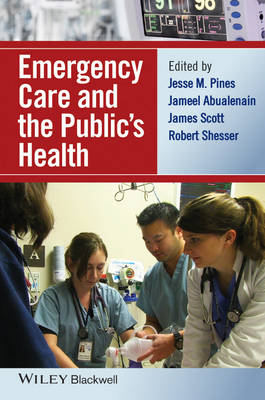
As US health care systems undergo a period of transformative change, so too will emergency care, and more specifically emergency departments. This book explores the complex role of emergency care in the context of these changes and as an increasingly vital component of health care systems both within and outside the US.
As US health care systems undergo a period of transformative change, so too will emergency care, and more specifically emergency departments. This transformation will include:
- The development of new diagnostic, therapeutic, and information technologies
- A growing need to prepare and respond to emerging public health threats
- The expansion of the role of allied health professionals to address the workforce crisis
- Novel expectations for care coordination
- The fundamental economics of emergency care under new payment models, and
- The key relationship with American law.
Emergency Care and the Public's Health explores the complex role of emergency care in the context of these changes and as an increasingly vital component of health care systems both within and outside the US.
From an expert emergency medicine team, this new title is a reference for emergency care and critical care providers, allied health professionals and hospital administrators. It is also for relevant for public policy and healthcare policy professionals.
Arvustused
Emergency Care and the Publics Health provides useful and practical information to enhance the understanding of the state of emergency care in the United States today. . . In my opinion, physicians in training (including EM residents), emergency care providers, allied health care professionals, current and future ED directors, administrators, and even hospital leaders (CEOs, CFOs) should be exposed to this book. (Academic Emergency Medicine, 1 February 2015)
| Editor Biographies, |
|
vii | |
| List of Contributors, |
|
xi | |
| Foreword, |
|
xv | |
Part
1. The US emergency care system |
|
|
1 The emergency care system in the United States |
|
|
3 | (8) |
|
|
|
|
|
2 Ten common misconceptions about emergency care |
|
|
11 | (10) |
|
|
|
|
|
3 International perspectives on emergency care |
|
|
21 | (26) |
|
|
|
|
|
|
|
|
|
|
|
|
|
|
|
|
|
|
|
|
|
|
|
|
|
|
Part
2. Technology in emergency care |
|
|
4 Human factors in emergency care |
|
|
47 | (12) |
|
|
|
|
|
|
|
5 Information technology in emergency care |
|
|
59 | (16) |
|
|
|
|
|
6 Telehealth and acute care |
|
|
75 | (12) |
|
|
|
|
|
|
|
7 Simulation in emergency care |
|
|
87 | (12) |
|
|
|
|
Part
3. Emergency care workforce |
|
|
8 Emergency care workforce projections |
|
|
99 | (14) |
|
|
|
|
|
|
Part
4. Emergency preparedness and response to emergencies and disasters |
|
|
9 US emergency and disaster response in the past, present and future: The multi-faceted role of emergency health care |
|
|
113 | (14) |
|
|
|
|
|
10 Emergency public health |
|
|
127 | (14) |
|
|
|
|
|
|
Part
5. Emergency care payment reform and legal issues |
|
|
11 The role of the emergency department in care coordination |
|
|
141 | (10) |
|
|
|
12 Payment reform in emergency care |
|
|
151 | (18) |
|
|
|
|
|
|
|
13 The legal framework for hospital emergency care |
|
|
169 | (22) |
|
|
|
14 The future of emergency medicine |
|
|
191 | (10) |
|
|
| Index, |
|
201 | |
Jesse Pines, MD, MBA, MSCE, Director, Office for Clinical Practice Innovation, Professor of Emergency Medicine and Health Policy, The George Washington University, Washington, US Jameel Abualenain, MD, MPH, Assistant Professor, Department of Emergency Medicine, The George Washington University, Washington, US; King Abdulaziz University, Jeddah, Saudi Arabia
James Scott, MD, Professor of Emergency Medicine and Health Policy, School of Medicine and Health Science, The George Washington University, Washington, US
Robert Shesser, MD, MPH, Professor and Chair, Department of Emergency Medicine, The George Washington University, Washington, US