Muutke küpsiste eelistusi

Englishness and Environment in Genre Fiction, 1890-1940 [Kõva köide]

(Liverpool John Moores University, UK)
  • Formaat: Hardback, 248 pages, kõrgus x laius: 234x156 mm
  • Ilmumisaeg: 25-Jun-2026
  • Kirjastus: Bloomsbury Academic
  • ISBN-10: 1350412465
  • ISBN-13: 9781350412460
  • Kõva köide
  • Hind: 78,19 €*
  • * hind on lõplik, st. muud allahindlused enam ei rakendu
  • Tavahind: 104,25 €
  • Säästad 25%
  • See raamat ei ole veel ilmunud. Raamatu kohalejõudmiseks kulub orienteeruvalt 3-4 nädalat peale raamatu väljaandmist.
  • Kogus:
  • Lisa ostukorvi
  • Tasuta tarne
  • Tellimisaeg 2-4 nädalat
  • Lisa soovinimekirja
  • Formaat: Hardback, 248 pages, kõrgus x laius: 234x156 mm
  • Ilmumisaeg: 25-Jun-2026
  • Kirjastus: Bloomsbury Academic
  • ISBN-10: 1350412465
  • ISBN-13: 9781350412460
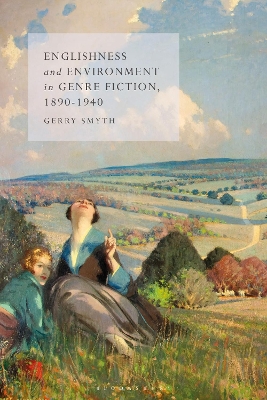
In this moment of growing anxiety about the environment and the fate of humanity, literature continues its vital role of articulating dynamic new ways of thinking about the relations between humanity, environment and technology. In this book, cultural historian Gerry Smyth focuses on English genre fiction of the late 19th and early 20th centuries, exploring the ways in which popular novelists of the period engaged with debates relating to environment (England), culture (English language and literature) and identity (Englishness). In 16 case studies, the author covers examples of fantasy, science fiction, murder mystery and childrens stories in order to trace the prehistory of modern environmentalism, especially as experienced in a key 50-year period running up to the start of the Second World War.

Englishness and Environment in Genre Fiction, 1890-1940 offers new approaches to a variety of well-loved English novels, describing an unlikely but important alternative genealogy for both modern English literature and modern ecocriticism. Case studies include The Island of Dr Moreau, Heart of Darkness, The Wind in the Willows, Cold Comfort Farm, Brave New World and The Hobbit. In these and other popular novels Smyth examines themes such as evolution, industrialisation, the growth of technology, Britains fading imperial status, assaults on traditional discourses of class, gender and sexuality, animal rights, artificial intelligence and war. The central focus is on the ways in which popular genre authors responded to a variety of changes that were overtaking the idea of England itself during this period. Accessible and innovative, this book reconfigures modern English literary history from an environmental perspective, insisting that questions of environment were always already embedded in the field of modern cultural debate.

Arvustused

From The Wind in the Willows to The Hobbit to Orwell Ive been waiting for this book for such a long time. The period from 1890 to 1940 is a treasure trove of environmentally-aware texts, but hardly ever have they been given the attention they deserve. Gerry Smyths book is its own kind of treasure trove and scholarship will be drawing on its arguments for years to come. * Timothy Morton, author of Hell and Hyperobjects * In this book, Smyth offers a compelling new genealogy of genre fiction, finding that its fantasies and mythologies carry as ballast the green heart of England, where nature is fragile but still serves as a symbolic redoubt. Cannily, systematically, the author finds ecological thinking where we might least expect it: not in the tradition of Romantic paean or industrial lament, but in the thickets of the new genre fictions that flourished after 1890. There we see Englands once and future Eden and the secret plots of violated nature clustered in fantasies of otherworldly space, of childhood nostalgia, of homegrown exotica, of dreamscapes and superstates. Out of the collision between a spoiled and violated nature in the late industrial age and a flourishing new genre system in English fiction, Smyth constructs a marvellous new genealogy of coded even magical environmental thinking. * Jed Esty, University of Pennsylvania, USA *

Muu info

Through new ecocritical readings of 18th and 19th century English genre fictions, this book explores the intersection between English national identity and the environment in 16 key novels to highlight the importance of centering the green imagination in modern English literature studies
Acknowledgements

Timeline

Introduction

Chapter 1: News from Nowhere (1890) by William Morris

Chapter 2: The Island of Dr Moreau (1896) by H.G. Wells
Chapter 3: Heart of Darkness (1901) by Joseph Conrad

Chapter 4: The Hill of Dreams (1907) by Arthur Machin

Chapter 5: The Wind in the Willows (1908) by Kenneth Grahame
Chapter 6: The Lost World (1912) by Arthur Conan Doyle

Chapter 7: The Return of the Soldier (1918) by Rebecca West

Chapter 8: Lolly Willowes (1926) by Sylvia Townsend Warner

Chapter 9: The Murder of Roger Ackroyd (1926) by Agatha Christie
Chapter 10: Swallows and Amazons (1930) by Arthur Ransome
Chapter 11: Cold Comfort Farm (1932) by Stella Gibbons
Chapter 12: Brave New World (1932) by Aldous Huxley

Chapter 13: The Hobbit (1937) by J.R.R. Tolkien

Chapter 14: Coming Up for Air (1939) by George Orwell
Conclusion: Optimism with a Broken Heart

Notes

References

Index
Gerry Smyth is Professor of Irish Cultural History at Liverpool John Moores University, UK. His research interests cover Irish literary history, James Joyce, modernism, music and literature, posthumanism and ecocriticism and he has published extensively in these areas including such books as Space and the Irish Cultural Imagination (2001), Listening to the Novel: Music in Contemporary British Fiction (2008), and Joyces Noyces: Music and Sound in the Life and Literature of James Joyce (2021).