Muutke küpsiste eelistusi

E-raamat: History We Carry: A Daughter's Memoir

  • Formaat: EPUB+DRM
  • Ilmumisaeg: 02-Jun-2026
  • Kirjastus: She Writes Press
  • Keel: eng
  • ISBN-13: 9798896363231
Teised raamatud teemal:
  • Formaat - EPUB+DRM
  • Hind: 12,48 €*
  • * hind on lõplik, st. muud allahindlused enam ei rakendu
  • See e-raamat ei ole veel ilmunud. Saate seda tellida alles alates: 02-Jun-2026
  • Lisa soovinimekirja
  • See e-raamat on mõeldud ainult isiklikuks kasutamiseks. E-raamatuid ei saa tagastada.
  • Formaat: EPUB+DRM
  • Ilmumisaeg: 02-Jun-2026
  • Kirjastus: She Writes Press
  • Keel: eng
  • ISBN-13: 9798896363231
Teised raamatud teemal:

DRM piirangud

  • Kopeerimine (copy/paste):

    ei ole lubatud

  • Printimine:

    ei ole lubatud

  • Kasutamine:

    Digitaalõiguste kaitse (DRM)
    Kirjastus on väljastanud selle e-raamatu krüpteeritud kujul, mis tähendab, et selle lugemiseks peate installeerima spetsiaalse tarkvara. Samuti peate looma endale  Adobe ID Rohkem infot siin. E-raamatut saab lugeda 1 kasutaja ning alla laadida kuni 6'de seadmesse (kõik autoriseeritud sama Adobe ID-ga).

    Vajalik tarkvara
    Mobiilsetes seadmetes (telefon või tahvelarvuti) lugemiseks peate installeerima selle tasuta rakenduse: PocketBook Reader (iOS / Android)

    PC või Mac seadmes lugemiseks peate installima Adobe Digital Editionsi (Seeon tasuta rakendus spetsiaalselt e-raamatute lugemiseks. Seda ei tohi segamini ajada Adober Reader'iga, mis tõenäoliselt on juba teie arvutisse installeeritud )

    Seda e-raamatut ei saa lugeda Amazon Kindle's. 
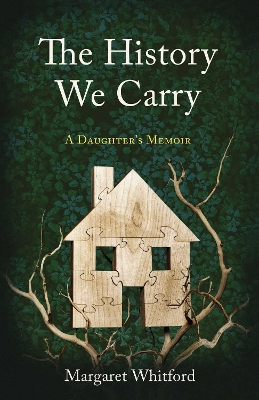
For fans of Jennette McCurdy’s I’m Glad My Mom Died, a memoir for daughters who recognize that to truly understand themselves and the patterns of their lives, they must first understand their mothers and the forces that shaped these women.

When Margaret Whitford’s mother was dying, she told those present that her daughter “had her history.” This was true; Margaret had conducted interviews with her mother during the last decade of her life. But this didn’t end their estrangement, and Margaret chose not to return to her mother’s side during her final days.

In this memoir, Margaret confronts this decision by unearthing in her mother’s traumatic history the roots of the emotional distance between them. She explores how a history marked by the devastation of World War II in Europe, a violent childhood home, and sexual assault accumulated into complex PTSD that shaped her mother and the way she parented Margaret as her firstborn and as a daughter—and, in turn, how Margaret carried her mother’s trauma forward in her sense of self, in her relationships to others, and in the ways she navigated her world. Indeed, Margaret not only had her mother’s history—she embodied it.

Ultimately, The History We Carry confronts the legacy of intergenerational trauma with wisdom and compassion, revealing how familial history shapes each of us but need not be wholly determinative of whom we become and how we choose to live.