International uproar followed the recent announcement of the birth of twin girls whose genomes had been edited with a breakthrough DNA editing-technology. This technology, called clustered regularly interspaced short palindrome repeats or CRISPR-Cas9, can alter any DNA, including DNA in embryos, meaning that changes can be passed to the offspring of the person that embryo becomes.
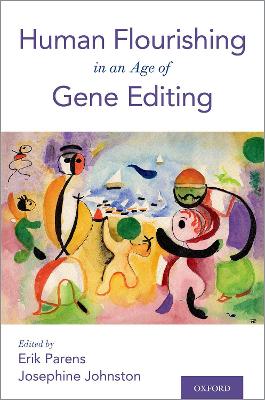
Should we use gene editing technologies to change ourselves, our children, and future generations to come? The potential uses of CRISPR-Cas9 and other gene editing technologies are unprecedented in human history. By using these technologies, we eradicate certain dreadful diseases. Altering human DNA, however, raises enormously difficult questions. Some of these questions are about safety: Can these technologies be deployed without posing an unreasonable risk of physical harm to current and future generations? Can all physical risks be adequately assessed, and responsibly managed? But gene editing technologies also raise other moral questions, which touch on deeply held, personal, cultural, and societal values: Might such technologies redefine what it means to be healthy, or normal, or cherished? Might they undermine relationships between parents and children, or exacerbate the gap between the haves and have-nots? The broadest form of this second kind of question is the focus of this book: What might gene editing--and related technologies--mean for human flourishing?
In the new essays collected here, an interdisciplinary group of scholars asks age--old questions about the nature and well-being of humans in the context of a revolutionary new biotechnology--one that has the potential to change the genetic make-up of both existing people and future generations. Welcoming readers who study related issues and those not yet familiar with the formal study of bioethics, the authors of these essays open up a conversation about the ethics of gene editing. It is through this conversation that citizens can influence laws and the distribution of funding for science and medicine, that professional leaders can shape understanding and use of gene editing and related technologies by scientists, patients, and practitioners, and that individuals can make decisions about their own lives and the lives of their families.
Arvustused
The book starts with a bang, an impassioned and beautifully written essay by Rosemarie Garland-Thompson, the disability studies pioneer, who tells her tale of flourishing despite indeed in part because of the genetic condition with which she was born and has lived. It is a compelling firstperson narrative. As a collection, the essays aim to move beyond technical genetic fixes to the human genome, and examine whether interventions at the genetic, individual, or social levels are most appropriate for enabling human flourishing. They address "how should we think about it," rather than prescribe policy solutions. * Robert Cook-Deegan, Arizona State University, Issues in Science and Technology * I should stress [ ...] that each chapter is self-standing, and may be read independently of the others. But my guess is that you will become rapidly aware of the global coherence of the work, and that you will end up with no part of it left unread ... * Franēois Nau, Université de Poitiers, ESSAT News and Reviews *
| Acknowledgments |
|
vii | |
|
|
|
ix | |
| Introduction to Human Flourishing in an Age of Gene Editing |
|
1 | (14) |
|
|
|
|
|
PART I WHAT IS HUMAN FLOURISHING? |
|
|
|
1 Welcoming the Unexpected |
|
|
15 | (14) |
|
Rosemarie Garland-Thomson |
|
|
2 Flourishing and the Value of Authenticity |
|
|
29 | (17) |
|
|
|
3 The Dismal Fate of Flourishing in Public Policy Bioethics: A Sociological Explanation |
|
|
46 | (15) |
|
|
|
PART II THE VALUE OF ACCEPTANCE |
|
|
|
4 Editing the Best of All Possible Worlds |
|
|
61 | (11) |
|
|
|
5 Daoism, Flourishing, and Gene Editing |
|
|
72 | (14) |
|
|
|
6 Can We Care about Nature? |
|
|
86 | (13) |
|
|
|
PART III IS CONTROL THE KEY TO FLOURISHING? |
|
|
|
7 Do More Choices Lead to More Flourishing? |
|
|
99 | (13) |
|
|
|
|
|
8 "Good Parents" Can Promote Their Own and Their Children's Flourishing |
|
|
112 | (14) |
|
|
|
9 Parental Responsibility and Gene Editing |
|
|
126 | (17) |
|
|
|
|
|
PART IV BALANCING ACCEPTANCE AND CONTROL |
|
|
|
10 Choice, Chance, and Acceptance |
|
|
143 | (14) |
|
|
|
11 Unraveling the Human Tapestry: Diversity, Flourishing, and Genetic Modification |
|
|
157 | (15) |
|
|
|
12 Creaturehood and Deification as Anchors for an Ethics of Gene Editing |
|
|
172 | (12) |
|
|
|
13 Recovering Practical Wisdom as a Guide for Human Flourishing: Navigating the CRISPR Challenge |
|
|
184 | (17) |
|
|
|
PART V FLOURISHING TOGETHER |
|
|
|
14 Whose Conception of Human Flourishing? |
|
|
201 | (11) |
|
|
|
15 Reprogenetic Technologies Between Private Choice and Public Good |
|
|
212 | (16) |
|
|
|
16 The Politics of Intrinsic Worth: Why Bioethics Needs Human Dignity |
|
|
228 | (19) |
|
|
|
17 Bioethics Contra Biopower: Ecological Humanism and Flourishing Life |
|
|
247 | (20) |
|
|
| Index |
|
267 | |
Erik Parens is Senior Research Scholar at The Hastings Center, where he investigates the ethical implications of using technologies such as psychopharmacology, surgery, and gene editing to shape ourselves and our children. He also investigates how emerging sciences such as genetics and neuroscience shape our understanding of ourselves as persons. He is the author or editor of five books, as well as numerous articles and commentaries for academic journals and general-interest publications. His most recent book is Shaping Our Selves: On Technology, Flourishing and a Habit of Thinking (Oxford University Press, 2014).
Josephine Johnston is Director of Research and a Research Scholar at The Hastings Center. She works on the ethics of emerging biotechnologies, particularly in human reproduction, psychiatry, and genetics. Her scholarly work has appeared in medical, scientific, policy, law, and bioethics journals, including New England Journal of Medicine, Science, Nature,
Hastings Center Report, and Journal of Law, Medicine and Ethics. She edited, with Thomas H Murray, Trust and Integrity in Biomedical Research: The Case of Financial Conflicts of Interest (Johns Hopkins University Press, 2010). She has also written for Stat News, New Republic, Time, Washington Post, and The Scientist.

 Lisainfo e-raamatute kohta