Muutke küpsiste eelistusi

E-raamat: Joining al-Qaeda: Jihadist Recruitment in Europe

  • Formaat: PDF+DRM
  • Sari: Adelphi series
  • Ilmumisaeg: 06-Dec-2012
  • Kirjastus: Routledge
  • Keel: eng
  • ISBN-13: 9781135872601
Teised raamatud teemal:
  • Formaat - PDF+DRM
  • Hind: 36,39 €*
  • * hind on lõplik, st. muud allahindlused enam ei rakendu
  • Lisa ostukorvi
  • Lisa soovinimekirja
  • See e-raamat on mõeldud ainult isiklikuks kasutamiseks. E-raamatuid ei saa tagastada.
  • Formaat: PDF+DRM
  • Sari: Adelphi series
  • Ilmumisaeg: 06-Dec-2012
  • Kirjastus: Routledge
  • Keel: eng
  • ISBN-13: 9781135872601
Teised raamatud teemal:

DRM piirangud

  • Kopeerimine (copy/paste):

    ei ole lubatud

  • Printimine:

    ei ole lubatud

  • Kasutamine:

    Digitaalõiguste kaitse (DRM)
    Kirjastus on väljastanud selle e-raamatu krüpteeritud kujul, mis tähendab, et selle lugemiseks peate installeerima spetsiaalse tarkvara. Samuti peate looma endale  Adobe ID Rohkem infot siin. E-raamatut saab lugeda 1 kasutaja ning alla laadida kuni 6'de seadmesse (kõik autoriseeritud sama Adobe ID-ga).

    Vajalik tarkvara
    Mobiilsetes seadmetes (telefon või tahvelarvuti) lugemiseks peate installeerima selle tasuta rakenduse: PocketBook Reader (iOS / Android)

    PC või Mac seadmes lugemiseks peate installima Adobe Digital Editionsi (Seeon tasuta rakendus spetsiaalselt e-raamatute lugemiseks. Seda ei tohi segamini ajada Adober Reader'iga, mis tõenäoliselt on juba teie arvutisse installeeritud )

    Seda e-raamatut ei saa lugeda Amazon Kindle's. 
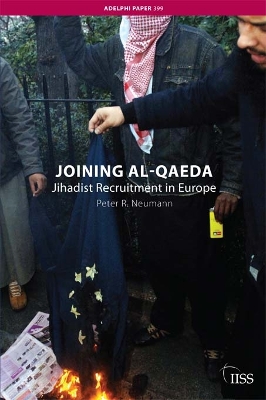
In Britain alone, several thousand young Muslims are thought to be part of violent extremist networks. How did they become involved? What are the mechanisms and dynamics through which European Muslims join al-Qaeda and groups inspired by al-Qaeda? This paper explains the processes whereby European Muslims are recruited into the Islamist militant movement. It reveals that although overt recruitment has been driven underground, prisons and otherplaces of vulnerability are increasingly important alternatives. It explores the recruitment roles of radical imams, gateway organisations and activists, and highlights the kinds of message that facilitate the recruitment process. It also shows how the Internet has come to play an increasingly significant role. Neumann argues that there is little evidence of systematic, top-down jihadist recruitment in Europe. Rather, the activist leaders of cells increasingly drive the process. The paper explores possible options for European governments wishing to disrupt violent extremist networks, recognising that it will also be necessary to address some of the underlying risk factors that fuel jihadist recruitment. Ultimately, the major challenge for European states lies in constructing more inclusive societies in which the narratives of exclusion and grievance will not resonate to the benefit of recruiters to the extremist cause.
Introduction
1. Dynamics and Structures
2. Recruitment Grounds
3. The
Recruiters
4. The Message
5. The Internet Conclusion
Peter R. Neumann