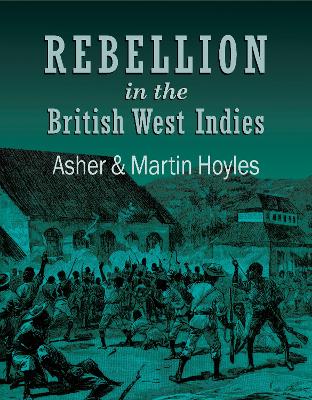
In 1831, the Christmas Rebellion in Jamaica, involving 60,000 enslaved Africans, led directly to the British Government's decision, in 1833, to abolish slavery. It was one of many uprisings throughout the British West Indies, for example the rebellion in Guyana led by Cuffy in 1763, which lasted almost a year, or Bussa's Rebellion in Barbados in1816 when 1,000 rebels were killed or executed, which illustrate how they continually fought for their freedom and dignity. The appalling physical cruelty and psychological torture inflicted on the enslaved Africans demonstrated a racist ideology which saw them as chattels, not people. When slavery was abolished, compensation of o20 million (about o17 billion today) was awarded to the slave owners for the loss of their 'property', but not a penny given to the enslaved. Fabulous profits were made by slave owners who used the money to build large country houses in Britain, for example Harewood House in Yorkshire, or to finance industries such as Richard Pennant's slate quarry in North West Wales, which became the largest slate mine in the world. The money made from slavery kickstarted the industrial revolution that helped create the British Empire which continued to expand the ideology of racism which is still evident today, for example in the WINDRUSH SCANDAL and BLACK LIVES MATTER movement. The book concentrates on five Caribbean countries: St Kitts & Nevis, Grenada, Barbados, Guyana and Jamaica to examine the legacy of slavery and colonialism. It concludes with a discussion of reparatory justice and the movement for reparations which is growing more vociferous every day. Britain's historical crimes against humanity need to be acknowledged and redressed.

 Lisainfo e-raamatute kohta