Muutke küpsiste eelistusi

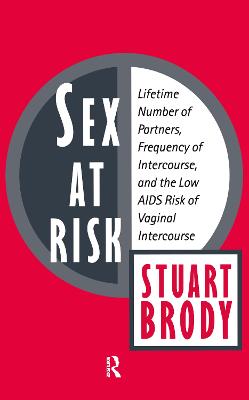
Sex at Risk: Lifetime Number of Partners, Frequency of Intercourse and the Low AIDS Risk of Vaginal Intercourse [Kõva köide]

Edited by
  • Formaat: Hardback, 222 pages, kõrgus x laius: 229x152 mm, kaal: 498 g
  • Ilmumisaeg: 30-Jun-1997
  • Kirjastus: Routledge
  • ISBN-10: 156000309X
  • ISBN-13: 9781560003090
Teised raamatud teemal:
  • Kõva köide
  • Hind: 75,14 €*
  • * hind on lõplik, st. muud allahindlused enam ei rakendu
  • Tavahind: 100,19 €
  • Säästad 25%
  • Raamatu kohalejõudmiseks kirjastusest kulub orienteeruvalt 3-4 nädalat
  • Kogus:
  • Lisa ostukorvi
  • Tasuta tarne
  • Tellimisaeg 2-4 nädalat
  • Lisa soovinimekirja
  • Formaat: Hardback, 222 pages, kõrgus x laius: 229x152 mm, kaal: 498 g
  • Ilmumisaeg: 30-Jun-1997
  • Kirjastus: Routledge
  • ISBN-10: 156000309X
  • ISBN-13: 9781560003090
Teised raamatud teemal:
Politicians, interest groups, and the mass media often answer questions about how AIDS is sexually transmitted as if heterosexual vaginal intercourse is a high-risk activity. When it comes to understanding how AIDS is transmitted, and formulating effective policy to deal with the spread of AIDS, America remains confused. What. Brody calls ideological knowledge about AIDS is fat more likely to filter through society than scientific knowledge.Sex at Risk Is a comprehensive review of the scientific literature dealing with. the transmission of AIDS. Like Michael Fumento's The Myth of Heterosexual AIDS, it exposes the mythology surrounding vaginal intercourse and AIDS transmission, Brody also looks deeply at reasons that fear of AIDS transmission from vaginal intercourse has spread so widely and profoundly, He addresses serious methodological problems in AIDS/HIV behavioral research, as well as tendentious political correctness that has done a disservice to science.Sex at Risk also comprehensively reviews the international research literature on correlates of lifetime number of sexual partners and frequency of sexual intercourse. Among topics covered are: relationships between lifetime number of sexual partners and mental health, explanations for important differences between intercourse and masturbation, the possible association of frequency with healthy functioning, and correlations between frequency and national development.Brody concludes by discussing what AIDS reveals about how politically correct thought impedes scientific progress, when taboo themes, regardless of their validity, cannot be pursued, Sex at Risk is factually grounded, yet controversial; . Brody raises critical questions about much of what we have learned about AIDS from popular and professional publications, "soft scientists," and public health campaigns. It will be of interest to medical doctors, clinicians, and those interested in the sociology and psychology of knowledge,
Preface and Acknowledgments vii
Part 1: Lifetime Number of Sexual Partners 3(50)
1. Overview and Sample Values
3(2)
2. Methodological Issues
5(6)
3. Biological Factors, Animal Research, and "Sex Differences"
11(6)
4. Social and Cultural Factors
17(14)
5. Behavioral Factors, Psychiatric Diagnosis, Pregnancy, and Sexual Practices
31(16)
6. Conclusions and Recommendations
47(6)
Part 2: Frequency of Sexual Intercourse 53(56)
7. Overview
53(2)
8. Methodological Issues
55(4)
9. Biological Factors
59(16)
10. Social and Cultural Factors and National Differences
75(12)
11. Behavioral Factors, Psychiatric Diagnosis, Pregnancy, and Sexual Practices
87(16)
12. Conclusions and Methodological Recommendations
103(6)
Part 3: The Low AIDS Risk of Vaginal Intercourse 109(60)
13. Epidemiology, Excess Mortality, and the Decreasing Incidence of AIDS
109(6)
14. Heterosexual Anal Intercourse
115(4)
15. Lying about Sexual and Drug Use History
119(16)
16. Memory Problems
135(2)
17. Lifetime Number of Sexual Partners, Frequency of Sexual Intercourse, Hygiene, Race, and AIDS
137(10)
18. Africa and Other Third World Regions
147(2)
19. Animal Models, Artificial Insemination, and Human HIV Subtypes
149(4)
20. The Dubious Value of Condoms
153(4)
21. Relative Risk and Relative Utility
157(6)
22. Political Correctness versus Science
163(4)
23. Conclusions
167(2)
A Note on Language 169(2)
Tables
171(8)
Glossary 179(4)
References 183(36)
Index 219
Stuart Brody