Muutke küpsiste eelistusi
  • Formaat - EPUB+DRM
  • Hind: 54,59 €*
  • * hind on lõplik, st. muud allahindlused enam ei rakendu
  • Lisa ostukorvi
  • Lisa soovinimekirja
  • See e-raamat on mõeldud ainult isiklikuks kasutamiseks. E-raamatuid ei saa tagastada.
  • Formaat: EPUB+DRM
  • Ilmumisaeg: 20-Dec-2022
  • Kirjastus: Routledge
  • Keel: eng
  • ISBN-13: 9781000803778

DRM piirangud

  • Kopeerimine (copy/paste):

    ei ole lubatud

  • Printimine:

    ei ole lubatud

  • Kasutamine:

    Digitaalõiguste kaitse (DRM)
    Kirjastus on väljastanud selle e-raamatu krüpteeritud kujul, mis tähendab, et selle lugemiseks peate installeerima spetsiaalse tarkvara. Samuti peate looma endale  Adobe ID Rohkem infot siin. E-raamatut saab lugeda 1 kasutaja ning alla laadida kuni 6'de seadmesse (kõik autoriseeritud sama Adobe ID-ga).

    Vajalik tarkvara
    Mobiilsetes seadmetes (telefon või tahvelarvuti) lugemiseks peate installeerima selle tasuta rakenduse: PocketBook Reader (iOS / Android)

    PC või Mac seadmes lugemiseks peate installima Adobe Digital Editionsi (Seeon tasuta rakendus spetsiaalselt e-raamatute lugemiseks. Seda ei tohi segamini ajada Adober Reader'iga, mis tõenäoliselt on juba teie arvutisse installeeritud )

    Seda e-raamatut ei saa lugeda Amazon Kindle's. 
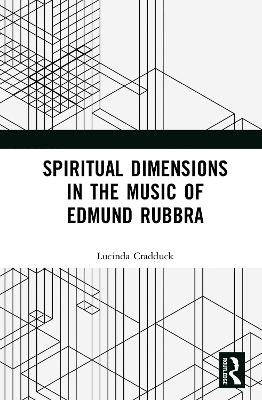
Edmund Rubbra’s music has given him a reputation as a ‘spiritual’ composer, who had an interest in Eastern thought, and a mid-life conversion to Roman Catholicism. This book takes a wide and detailed view of ‘spiritual’ dimensions or strands that were important in his life, positioning them both biographically and within the context of contemporaneous English culture. It proceeds to interpret through detailed analysis the ways these spiritual aspects are reflected in specific compositions.

Thematical treatment of these spiritual issues, touching on Theosophy, dance, Eastern religions and thought, nature, the evolutionary theory of Teilhard de Chardin and the Christ figure, presents a multi-faceted view of Rubbra’s life and music. Its contribution to a scholarly re-evaluation of his place within twentieth-century British music and culture engages and meshes with several areas of current scholarly research in the arts and humanities, including academic interest in Theosophy, modernism and the arts, experimental dance and the Indian cultural renaissance and East–West musical interactions of the late nineteenth and early twentieth centuries. It also adds to a burgeoning body of writings on music and spirituality, fuelled by the popularity of later twentieth-century and contemporary composers who make more overt spiritual references in their music.


Edmund Rubbra’s music has given him a reputation as a ‘spiritual’ composer, who had an interest in Eastern thought, and a mid-life conversion to Roman Catholicism.

1. The natural product of a religious nature: introducing spirituality
and Rubbras music

2. Point of departure: the enduring influence of Theosophy on Rubbras
work

3. Body, mind and spirit: Rubbras involvement with dance

4. Looking East

5. Pan is Playing: Nature mysticism in Rubbras Music

6. Rubbras homage to Teilhard de Chardin

7. From Dark Night to Resurrection: The figure of Christ in Rubbras
music

8. Rather a peculiar spiritual make-up?

References and bibliography
Lucinda Cradduck, now retired, was for nearly thirty years an Associate Lecturer in music with the Open University.