Muutke küpsiste eelistusi

E-raamat: Theory of Moral Sentiments

  • Formaat: EPUB+DRM
  • Ilmumisaeg: 22-Apr-2026
  • Kirjastus: General Press
  • Keel: eng
  • ISBN-13: 9789354998560
Teised raamatud teemal:
  • Formaat - EPUB+DRM
  • Hind: 1,16 €*
  • * hind on lõplik, st. muud allahindlused enam ei rakendu
  • Lisa ostukorvi
  • Lisa soovinimekirja
  • See e-raamat on mõeldud ainult isiklikuks kasutamiseks. E-raamatuid ei saa tagastada.
  • Formaat: EPUB+DRM
  • Ilmumisaeg: 22-Apr-2026
  • Kirjastus: General Press
  • Keel: eng
  • ISBN-13: 9789354998560
Teised raamatud teemal:

DRM piirangud

  • Kopeerimine (copy/paste):

    ei ole lubatud

  • Printimine:

    ei ole lubatud

  • Kasutamine:

    Digitaalõiguste kaitse (DRM)
    Kirjastus on väljastanud selle e-raamatu krüpteeritud kujul, mis tähendab, et selle lugemiseks peate installeerima spetsiaalse tarkvara. Samuti peate looma endale  Adobe ID Rohkem infot siin. E-raamatut saab lugeda 1 kasutaja ning alla laadida kuni 6'de seadmesse (kõik autoriseeritud sama Adobe ID-ga).

    Vajalik tarkvara
    Mobiilsetes seadmetes (telefon või tahvelarvuti) lugemiseks peate installeerima selle tasuta rakenduse: PocketBook Reader (iOS / Android)

    PC või Mac seadmes lugemiseks peate installima Adobe Digital Editionsi (Seeon tasuta rakendus spetsiaalselt e-raamatute lugemiseks. Seda ei tohi segamini ajada Adober Reader'iga, mis tõenäoliselt on juba teie arvutisse installeeritud )

    Seda e-raamatut ei saa lugeda Amazon Kindle's. 
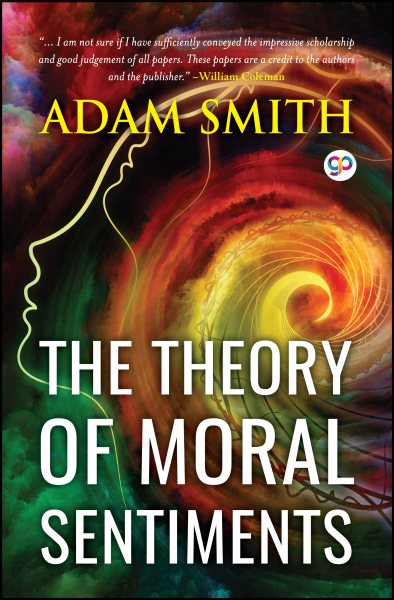
Written in 1759 by Scottish philosopher and political economist Adam Smith, ‘The Theory of Moral Sentiments’ provides much of the foundation for the ideas in his later works, most notably in ‘The Wealth of Nations’. Through this initial text, Smith expresses his general system of morals, exploring the propriety of action, reward and punishment, sense of duty, and the effect of numerous factors on moral sentiment. In so doing, Smith devised innovative theories on virtues, conscience, and moral judgment that are still relevant and accessible today.
It divides moral philosophy into four parts: Ethics and Virtue; Private rights and Natural liberty; Familial rights (called Economics); and State and Individual rights (called Politics). Smith establishes the intellectual framework for all of his later work, including The Wealth of Nations. Though somewhat surprising to find a philosopher of Smith’s abilities discussing aspects such as luck and sympathy and how they affect self-image or relationships, it never loses its critical excellence in its good-natured understanding of the human exploration of the meaning of being good.