Muutke küpsiste eelistusi
  • Formaat - EPUB+DRM
  • Hind: 59,79 €*
  • * hind on lõplik, st. muud allahindlused enam ei rakendu
  • See e-raamat ei ole veel ilmunud. Saate seda tellida alles alates: 04-Jun-2026
  • Lisa soovinimekirja
  • See e-raamat on mõeldud ainult isiklikuks kasutamiseks. E-raamatuid ei saa tagastada.

DRM piirangud

  • Kopeerimine (copy/paste):

    ei ole lubatud

  • Printimine:

    ei ole lubatud

  • Kasutamine:

    Digitaalõiguste kaitse (DRM)
    Kirjastus on väljastanud selle e-raamatu krüpteeritud kujul, mis tähendab, et selle lugemiseks peate installeerima spetsiaalse tarkvara. Samuti peate looma endale  Adobe ID Rohkem infot siin. E-raamatut saab lugeda 1 kasutaja ning alla laadida kuni 6'de seadmesse (kõik autoriseeritud sama Adobe ID-ga).

    Vajalik tarkvara
    Mobiilsetes seadmetes (telefon või tahvelarvuti) lugemiseks peate installeerima selle tasuta rakenduse: PocketBook Reader (iOS / Android)

    PC või Mac seadmes lugemiseks peate installima Adobe Digital Editionsi (Seeon tasuta rakendus spetsiaalselt e-raamatute lugemiseks. Seda ei tohi segamini ajada Adober Reader'iga, mis tõenäoliselt on juba teie arvutisse installeeritud )

    Seda e-raamatut ei saa lugeda Amazon Kindle's. 
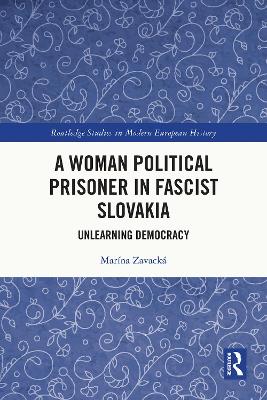
Mária Janákovás 1939 memoir offers a rare, deeply personal account of political repression in wartime Slovakia.

Detailing her imprisonment in the Ilava detention camp, she records the harsh physical and psychological conditions of daily life from solitary confinement in mouldy cells to interrogation routines. Her attentive portrayals of fellow prisoners bridge their civilian identities with their suffering under a pro-Nazi regime, highlighting the broader mechanisms of democratic erosion. After her release, she remained under strict surveillance, isolated in her home. Writing became her coping strategy the only way to talk it out.

Published in 1946, the memoir soon faded into obscurity as Janáková again faced pressure from an undemocratic regime, this time the communist one. Rediscovered only in 2018, it now reaches a wider audience, accompanied by a concise, research-driven introduction that situates this overlooked testimony within broader WWII histories.
1. Introduction
2. Mária Janáková and her family
3. Disrupting
democracy
4. The Ilava detention camp
5. Released but not free
6. Prisoner
memoirs as a source
7. Mária Janákovás memoir Cell No. 20 Appendix Sources
Index
Marína Zavacká is a senior researcher at the Institute of History, Slovak Academy of Sciences in Bratislava, focusing on history of propaganda and regime loyalties in the 20th century. As an external lecturer she also reads related courses at Comenius University, Bratislava, for the departments of History and of Russian and Eastern European studies. Her publications target both the academic and lay public.