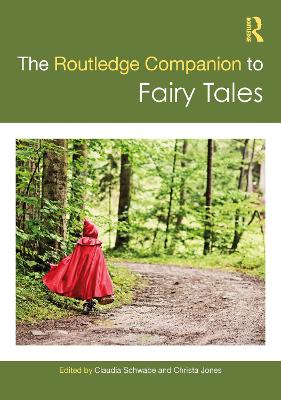
"The Routledge Companion to Fairy Tales provides a comprehensive guide to fairy tales across literatures and cultures. It offers an expansive overview of contemporary themes and issues throughout the intersections of the fields of fairy-tale studies, literary studies, and cultural studies. The first part considers global formations of the canon, and acts to decolonize the field of fairy-tale studies, highlighting the diverse national histories and traditions of the fairy tale worldwide. It demarcates thecomplex history of the field of fairy-tale studies and demonstrates how the genre is rooted in different oral stories and narratives passed down in cultures around the globe throughout time. The second section outlines important critical approaches, including recent developments shaping fairy-tale studies today such as disability studies, diversity, ecocriticism, inclusivity, and intersectionality. Part three explores how fairy tales have been articulated through a wide range of forms and combinations oftextual, visual, and sound media. This section foregrounds the versatility and adaptability of the fairy tale and, more specifically, how it intersects with different art forms and genres, including literature, illustrations, performing arts, and media outlets. Section four addresses sociocultural concerns in transnational fairy-tale cultures and literatures examining the connections between fairy tales and multivocal influences in modern adaptations and postmodern reimaginings, the undoing of colonization and appropriation, feminism, politics and activisms, the canon, and controversies over authenticity. This interdisciplinary collection draws on international perspectives from folkloristics, ethnology, ethnography, cultural and social anthropology, as well as queer and gender studies. It will be an invaluable resource for students and researchers interested in fairy tales and their developments over time and across cultures"-- Provided by publisher.
The Routledge Companion to Fairy Tales provides a comprehensive guide to fairy tales across literatures and cultures. It offers an expansive overview of contemporary themes and issues throughout the intersections of the fields of fairy-tale studies, literary studies, and cultural studies.
The Routledge Companion to Fairy Tales provides a comprehensive guide to fairy tales across literatures and cultures. It offers an expansive overview of contemporary themes and issues throughout the intersections of the fields of fairy-tale studies, literary studies, and cultural studies.
The first part considers global formations of the canon and acts to decolonize the field of fairy-tale studies, highlighting the diverse national histories and traditions of the fairy tale worldwide. It demarcates the complex history of the field of fairy-tale studies and demonstrates how the genre is rooted in different oral stories and narratives passed down in cultures around the globe throughout time. The second section outlines important critical approaches, including recent developments shaping fairy-tale studies today such as disability studies, diversity, ecocriticism, inclusivity, and intersectionality. Part three explores how fairy tales have been articulated through a wide range of forms and combinations of textual, visual, and sound media. This section foregrounds the versatility and adaptability of the fairy tale and, more specifically, how it intersects with different art forms and genres, including literature, illustrations, performing arts, and media outlets. Section four addresses sociocultural concerns in transnational fairy-tale cultures and literatures examining the connections between fairy tales and multivocal influences in modern adaptations and postmodern reimaginings, the undoing of colonization and appropriation, feminism, politics and activisms, the canon, and controversies over authenticity.
This interdisciplinary collection draws on international perspectives from folkloristics, ethnology, ethnography, cultural and social anthropology, as well as queer and gender studies. It will be an invaluable resource for students and researchers interested in fairy tales and their developments over time and across cultures.

 Rohkem infot Taylor & Francis e-raamatute kohta