"Public procurement makes up a significant part of national economies: 10-25% of gross domestic product (GDP), depending on the country. Appropriate laws and regulations are an essential tool to direct the action of procurers toward the public good and avoid corruption and misallocation of resources, while at the same time sustaining progress and social goals. The original approach of this book combines juridical, economic and technical expertise to find common terrain and a common language in order to debate the specific issues that affect Public Administrations across the world that need advancing and modernizing. The book features contributions across four specific themes of interest to the procurer's day to day job in modern public purchasing organizations: preferences and political economy in public procurement; climate change; defence procurement and human rights in public procurement. The aim is to let the new emerging trade-offs between competition and sustainability emerge, highlighting at the same time the possible synergies between the relevant policy objectives. The book takes into account sectoral specificities, reinforced by recent global events such as wars, natural disasters, populism. The unique format features in each section an interdisciplinary debate between two experts across different disciplines who deliberate and engage one another so as to improve the mutual understanding across disciplines, followed by two additional contributions. The book will be of interest to scholars, researchers and policymakers worldwide"--
The original approach of this book combines juridical, economic and technical expertise to find a common language in order to debate the specific issues that affect Public Administrations across the world. It takes into account sectoral specificities, reinforced by recent global events such as wars, natural disasters and populism.
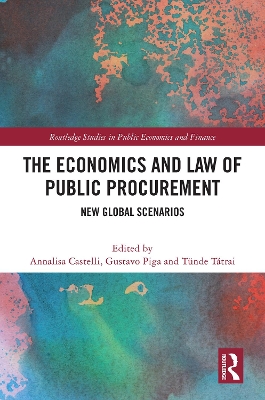
Public procurement makes up a significant part of national economies: 10–25% of gross domestic product (GDP), depending on the country. Appropriate laws and regulations are an essential tool to direct the action of procurers towards the public good and avoid corruption and misallocation of resources, while at the same time sustaining progress and social goals. The original approach of this book combines juridical, economic, and technical expertise to find common terrain and a common language in order to debate the specific issues that affect public administrations across the world that need advancing and modernizing. The book features contributions across four specific themes of interest to the procurer’s day-to-day job in modern public purchasing organizations: preferences and political economy in public procurement, climate change, defence procurement, and human rights in public procurement. The aim is to let the new emerging trade-offs between competition and sustainability emerge, highlighting at the same time the possible synergies between the relevant policy objectives. The book takes into account sectoral specificities, reinforced by recent global events such as wars, natural disasters, and populism. The unique format features in each section an interdisciplinary debate between two experts across different disciplines who deliberate and engage one another so as to improve the mutual understanding across disciplines, followed by two additional contributions. This book will be of interest to scholars, researchers, and policymakers worldwide.

 Rohkem infot Taylor & Francis e-raamatute kohta