"Presenting diverse perspectives from eminent scholars and contemporary researchers, The Handbook of Impression Formation contextualizes current and future areas of research in the social psychology of impression formation within a rich historic framework. Affirming that impression formation is at the core of human experience, chapters explore how and why people form snap judgments about others and when those impressions update. They examine the processes through which people infer the reasons for the events they encounter, allowing people to plan for appropriate behavioral responses to social contexts. The research reviewed is informed by the foundational theory of unconscious automatic processes involved in making judgements of other people, pioneered by Professor Jim Uleman who contributes a chapter that suggests important new directions, and concludes the volume by reflecting on the state of the field more broadly. The book explores how certain attributes stimulate categorization, examining current issues around implicit bias, stereotypes, and social media. Chapters cover a range of approaches, featuring personal narratives, presentation of new data and discoveries, comprehensive literature reviews, and contemplations on where the field must go and what questions require focus for progress to be made, calling for even the most advanced scholars to contribute more to the collective investigation of impression formation. This fascinating work provides a solid foundation from which all researchers can build a new and unique program of research, and arms the reader with the intellectual tools they need to chart new theoretical territory and discover aspects of the human experience we have yet to even wonder about. It is essential reading for students andacademics in social psychology, and the social sciences more broadly"--
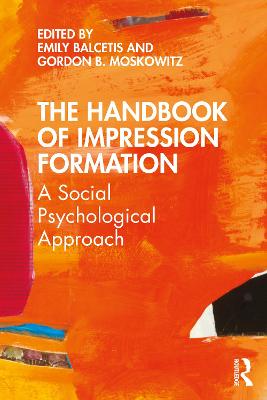
Presenting diverse perspectives from eminent scholars and contemporary researchers, The Handbook of Impression Formation contextualizes current and future areas of research in the social psychology of impression formation within a rich historic framework.
|
|
|
viii | |
| Preface: Impression Formation in Social Psychology |
|
xii | |
|
|
|
|
|
PART I Source of Input to Impression Formation: When Features of the External Physical World Meet Internal Mental Representations |
|
|
1 | (158) |
|
1 Social Categorizations as Decisions Made under Uncertainty |
|
|
3 | (17) |
|
|
|
|
|
|
|
2 From Spontaneous Trait Inferences to Spontaneous Person Impressions |
|
|
20 | (14) |
|
|
|
3 Expressed Accuracy: Spontaneous Trait Production and Inference from Voice |
|
|
34 | (20) |
|
|
|
|
|
4 O Brother, O Sister, Who Art Thou? Inferring the Gender of Others in Ambiguous Situations |
|
|
54 | (19) |
|
|
|
|
|
5 Differences between Spontaneous and Intentional Trait Inferences |
|
|
73 | (20) |
|
|
|
6 Bridging the Gap between Spontaneous Behavior- and Stereotype-Based Impressions |
|
|
93 | (23) |
|
|
|
|
|
|
|
7 The Secret Life of Spontaneous Trait Inferences: Emergence, Puzzles, and Accomplishments |
|
|
116 | (22) |
|
|
|
|
|
|
|
|
|
|
|
|
|
8 Predictively Coding Objects and Persons |
|
|
138 | (21) |
|
|
|
|
|
PART II Impression Formation Processes: Implicit Effects of Inference and Activation |
|
|
159 | (142) |
|
9 Reflections on a 30-Year-Long Program of Research Exploring Perceivers' Spontaneous Thoughts about Social Targets |
|
|
161 | (24) |
|
|
|
|
|
10 Impression Formation, Right Side Up |
|
|
185 | (14) |
|
|
|
|
|
11 Unintentional Influences in Intentional Impression Formation |
|
|
199 | (21) |
|
|
|
|
|
|
|
12 Stereotypes and Trait Inference |
|
|
220 | (8) |
|
|
|
13 Perceiving Group Attributes Spontaneously: Broadening the Domain |
|
|
228 | (28) |
|
|
|
|
|
14 Forming and Managing Impressions Across Racial Divides |
|
|
256 | (20) |
|
|
|
15 Understanding Guilt-by-Association: A Review of the Psychological Literature on Attitude Transfer and Generalization |
|
|
276 | (25) |
|
|
|
PART III The Malleability of First Impressions |
|
|
301 | (210) |
|
16 Origins of Impression Formation in Infancy |
|
|
303 | (21) |
|
|
|
|
|
17 Around the World in 80 Milliseconds (or Less): Spontaneous Trait Inference across Cultures |
|
|
324 | (24) |
|
|
|
|
|
18 The Updating of First Impressions |
|
|
348 | (45) |
|
|
|
|
|
|
|
19 Are We Stuck on the Face? New Evidence for When and How People Update Face-Based Implicit Impressions |
|
|
393 | (23) |
|
|
|
|
|
20 Memory Consolidation: The Cornerstone for Gauging Spontaneous Impression Longevity |
|
|
416 | (19) |
|
|
|
|
|
|
|
21 Confronting First Impressions: Motivating Self-Regulation of Stereotypes and Prejudice through Prejudice Confrontation |
|
|
435 | (24) |
|
|
|
|
|
|
|
22 Implicit Person Memory: Domain-General and Domain-Specific Processes of Learning and Change |
|
|
459 | (32) |
|
|
|
|
|
|
|
489 | (2) |
|
23 Impressions of Impression Formation |
|
|
491 | (20) |
|
|
| Index |
|
511 | |
Emily Balcetis, director of the New York University Social Perception Action and Motivation research lab, earned her PhD at Cornell University and leads an international team to uncover strategies that increase, sustain, and direct people's efforts to meet their goals.
Gordon B. Moskowitz, conducts research on social cognition, with a focus on stereotyping, impression formation, minority influence, and the implicit influence of goals on judgment and behavior. His research program more recently has examined interventions to control/reduce implicit bias, with implications for group disparities in health care.

 Rohkem infot Taylor & Francis e-raamatute kohta