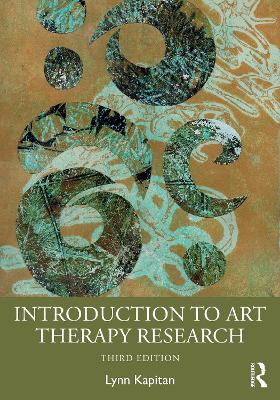
Thoroughly updated with references to newly published research and engaging first-person reflections from art therapist researchers working throughout the world, the third edition of Introduction to Art Therapy Research places art therapy research within a socially complex world of compelling questions and emerging trends, while guiding readers through basic research design.
First published in 2010, this seminal textbook fulfills the need for a pragmatic, educational text that broadly surveys the purpose and role of art therapy research, guides students and practitioners in becoming knowledgeable of their field’s research literature and ethical principles, and instructs them into the kinds of projects, questions, and methods they might undertake. Written by a prominent figure in the world of art therapy, this pragmatic text is organized into three parts: Part I provides an overview of the basic steps in conceptualizing an art therapy research study, with an emphasis on perspectives that are intrinsic to art therapy. Chapters in Part II cover an inclusive methodological framework from quantitative and outcomes research to qualitative, practitioner-based field research, critical-participatory orientations, phenomenological and narrative approaches, and the growing influence of art-based research in art therapy. Part III offers up-to-date ethical guidelines and valuable tools for understanding and evaluating research reports, as well as practical guidance for publication in scholarly journals based on the author’s long experience as the editor of the field’s leading scholarly publication. Also included are added coverage on cross-cultural research as well as high quality examples from published, peer-reviewed art therapy research studies that illustrate material throughout the text.
This landmark text will continue to educate and inform new and emerging art therapists.
Thoroughly updated with references to newly published research and engaging first-person reflections from art therapist researchers working throughout the world, this book places art therapy research within a socially complex world of compelling questions and emerging trends, while guiding readers through basic research design.
Introduction to Art Therapy Research
PART I OVERVIEW OF ART THERAPY RESEARCH
1. Art Therapy Research Ideas, Tools, and Steps in the Process
2. The Landscape of Art Therapy Research: Worldview, Paradigms, and Tools of
the Discipline
PART II ART THERAPY RESEARCH METHODOLOGIES
3. Quantitative Strategies for Art Therapy Research
4. Generating Art Therapys Evidence Base
5. Investigating the Field with Qualitative Research
6. Researching the Phenomena of Lived Experience
7. Transformative-Critical Research: Practice-Changing, Participatory, and
Anti-Oppressive
8. Art-Based Research in Art Therapy
PART III CONDUCTING ART THERAPY RESEARCH
9. Before You Begin: Research Ethics and Oversight
10. Models and Critique of Good Research
11. Writing, Reporting, and Disseminating Your Research
Lynn Kapitan, PhD, ATR-BC, HLM, is a Professor Emerit and founding Director of Graduate and Doctoral Art Therapy at Mount Mary University (USA) as well as a past president of the American Art Therapy Association and international research consultant.

 Rohkem infot Taylor & Francis e-raamatute kohta