Muutke küpsiste eelistusi

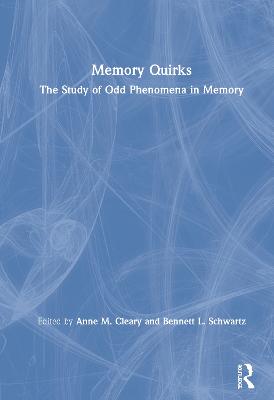
E-raamat: Memory Quirks: The Study of Odd Phenomena in Memory [Taylor & Francis e-raamat]

Edited by (Florida International University), Edited by
  • Formaat: 338 pages, 11 Tables, black and white; 15 Line drawings, black and white; 10 Halftones, black and white; 25 Illustrations, black and white
  • Ilmumisaeg: 12-May-2020
  • Kirjastus: Routledge
  • ISBN-13: 9780429264498
  • Taylor & Francis e-raamat
  • Hind: 189,26 €*
  • * hind, mis tagab piiramatu üheaegsete kasutajate arvuga ligipääsu piiramatuks ajaks
  • Tavahind: 270,37 €
  • Säästad 30%
  • Formaat: 338 pages, 11 Tables, black and white; 15 Line drawings, black and white; 10 Halftones, black and white; 25 Illustrations, black and white
  • Ilmumisaeg: 12-May-2020
  • Kirjastus: Routledge
  • ISBN-13: 9780429264498
Memory Quirks explores the odd phenomena that challenge and upend our traditional understanding of human memory.

Theory in memory research was developed to explain basic processes such as encoding and retrieval, recognition and recall, and semantic and episodic memory. However, the peculiar memory phenomena that we all occasionally experience often contradict standard theories of memory processing. Featuring research from leading international academics, Memory Quirks examines such topics as déjà vu, insight and creativity in memory, memory for past meals, the presque vu phenomenon, tip-of-the-tongue states, unconscious plagiarism, and borrowed, stolen, and long-term implicit memory. It also explains why these phenomena are important to understanding the entire spectrum of human memory.

This fascinating book will appeal to undergraduate and postgraduate students, cognitive psychology and metamemory researchers, and those who wish to broaden their understanding of the complexities of memory.
List of Contributors
ix
Preface xi
Acknowledgments xv
Quirks of Autobiographical Memory 1(2)
1 Autobiographical Editing: Revising Our Personal Past
3(17)
Alan S. Brown
Lindy M. Fields
Katie Croft Cadero
Mike Chmielewski
Deanna Denman
Elizabeth J. Marsh
2 Quirks in Autobiographical Memory
20(12)
Bogdan Kostic
Ari L. Cunningham
3 Broadening the Autobiographical Record to Include Memories of Fiction
32(15)
Elizabeth J. Marsh
Brenda W. Yang
4 Eating the Memories
47(16)
W. Robert Batsell Jr.
5 Blocked and Recovered Memories
63(20)
Steven M. Smith
Zsolt Beda
Quirks of Our Knowledge and Awareness of Our Own Memories
83(112)
6 When More is Less: Cue Depreciation in Memory
85(16)
Zehra F. Pkynircioglu
7 The Charming Quirks of Implicit Memory
101(13)
David B. Mitchell
8 Negative Effects of Repetition and Testing
114(23)
Neil W. Mulligan
9 When and Why We (Sometimes) Forget Really Important Things
137(13)
Alan D. Castel
Matthew O. Rhodes
10 Fluency Illusions in Metamemory
150(25)
Monika Undorf
11 Knowing More or Thinking that You Know More? Context-dependent Illusions of Knowing
175(20)
Katarzyna Zawadzka
Maciej Hanczakowski
Quirky Sensations of Memory
195(130)
12 Memory Under the SEA (Subjective Experience of Agency)
197(10)
Zachary J. Bucknoff
Janet Metcalfe
13 Tip-of-the-tongue States: Past and Future
207(17)
Bennett L. Schwartz
Ali Pournaghdali
14 The Butcher on the Bus Experience
224(24)
Alan S. Brown
15 Partial Retrieval is a Distinct yet Infrequent Phenomenon in Human Memory
248(23)
Khrista K. Doshier
Anthony J. Ryals
16 The Deja vu Phenomenon's Entry into the Realm of Science
271(17)
Anne M. Cleary
Andrew M. Huebert
Katherine L. McNeely-White
17 Converging on an Understanding of the Deja vu Experience
288(18)
Courtney B.A. Aitken
Akira R. O'Connor
18 Repetition, or Deja vu and Embodied Consciousness
306(19)
Joseph Neisser
Epilogue 325(3)
Index 328
Anne M. Cleary is Professor of Psychology at Colorado State University. She does research on human memory processes, metamemory, and metacognition. She is Associate Editor of Journal of Memory and Language and writes a blog at Psychology Today called Quirks of Memory.'

Bennett L. Schwartz is Professor of Psychology at Florida International University. He conducts research on metamemory and human memory, as well as a variety of other interesting topics. He is Editor-in-Chief of New Ideas in Psychology and Associate Editor of Metacognition and Learning.