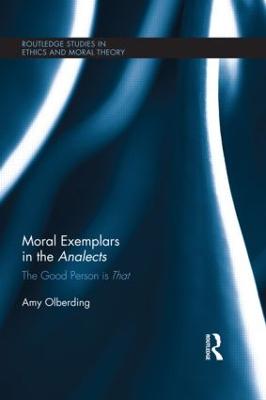
In this study, Olberding proposes a new theoretical model for reading the Analects. Her thesis is that the moral sensibility of the text derives from an effort to conceptually capture and articulate the features seen in exemplars, exemplars that are identified and admired pre-theoretically and thus prior to any conceptual criteria for virtue. Put simply, Olberding proposes an "origins myth" in which Confucius, already and prior to his philosophizing knows whom he judges to be virtuous. The work we see him and the Analects' authors pursuing is their effort to explain in an organized, generalized, and abstract way why pre-theoretically identified exemplars are virtuous. Moral reasoning here begins with people and with inchoate experiences of admiration for them. The conceptual work of the text reflects the attempt to analyze such people and parse such experiences in order to distill abstract qualities that account for virtue and can guide emulation.

 Rohkem infot Taylor & Francis e-raamatute kohta