Muutke küpsiste eelistusi

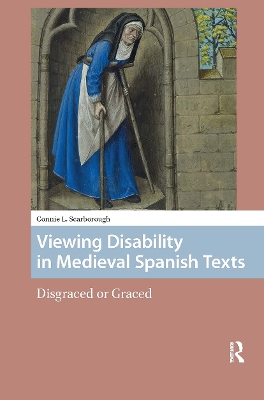
E-raamat: Viewing Disability in Medieval Spanish Texts: Disgraced or Graced [Taylor & Francis e-raamat]

  • Taylor & Francis e-raamat
  • Hind: 152,33 €*
  • * hind, mis tagab piiramatu üheaegsete kasutajate arvuga ligipääsu piiramatuks ajaks
  • Tavahind: 217,62 €
  • Säästad 30%
This book is one of the first to examine medieval Spanish canonical works for their portrayals of disability in relationship to theological teachings, legal precepts, and medical knowledge.

This book is one of the first to examine medieval Spanish canonical works for their portrayals of disability in relationship to theological teachings, legal precepts, and medical knowledge. Connie L. Scarborough shows that physical impairments were seen differently through each lens. Theology at times taught that the disabled were marked by God, their sins rendered on their bodies; at other times, they were viewed as important objects of Christian charity. The disabled often suffered legal restrictions, allowing them to be viewed with other distinctive groups, such as the ill or the poor. And from a medical point of view, a miraculous cure could be seen as evidence of divine intervention. This book explores all these perspectives through medieval Spain's miracle narratives, hagiographies, didactic tales, and epic poetry.
Introduction: Disability Theory and Pre-Modern Considerations Disability
Theories: Definitions and Limitations Adopting Disability Studies for the
Pre-Modern Era The Role of the Church and Christian Beliefs Disability
Studies and Literary Texts Goals and Organization
Chapter 1: Lameness Los
Contrechos Definitions and Theories Legal Status Historical and
Pseudo-Scientific Accounts Work and Occupational Hazards Mobility Devices
Divine Punishment Ridicule and Example The Monstrous
Chapter 2: Blindness
Los Ciegos Medieval Concepts of Sight Causes for Loss of Sight Religious
Beliefs Begging and Charity Blinding as Judicial Punishment Blinding as
Divine Punishment Self-Blinding Comic Potential
Chapter 3: Deaf and Inability
to Speak Los Sordomudos Deaf vs. deaf Legal Status Cures (?) Popular
Refrains and Wisdom Literatures Spiritual
Autobiography/Pathography/Consolation Loss of Speech
Chapter 4: Leprosy Los
Gafos Medical Knowledge Segregation (?) The Leper as Metaphor Leprosy as
Divine Punishment Leper as Holy Messenger Leper as Figure in Religious
History Leprosy and 'Tests of Friendship'
Chapter 5: Cured by the Grace of
Gods Los Milagros The Medieval Concept of Miracle Miracle Accounts Missing
Limbs Lameness and Paralysis Multiple Impairments Blindness Deafness and
Inability to Speak Leprosy Interdependence of Disability and Divine Cure
Chapter 6: Conclusions Works Cited Primary Sources Works Cited Secondary
Sources.
Connie L. Scarborough is Professor in the Department of Classical and Modern Languages and Literatures at Texas Tech University and Co-Director of the Program in Medieval and Renaissance Studies. Her most recent book, Inscribing the Environment, applies theories of ecocriticism to Medieval Spanish Text.