Muutke küpsiste eelistusi

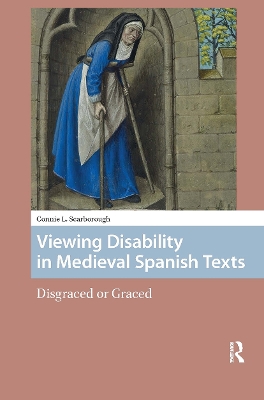
Viewing Disability in Medieval Spanish Texts: Disgraced or Graced [Kõva köide]

  • Formaat: Hardback, 230 pages, kõrgus x laius: 234x156 mm, kaal: 960 g
  • Sari: Premodern Health, Disease, and Disability
  • Ilmumisaeg: 01-Feb-2018
  • Kirjastus: Pallas Publications
  • ISBN-10: 9089648755
  • ISBN-13: 9789089648754
Teised raamatud teemal:
  • Kõva köide
  • Hind: 149,06 €*
  • * hind on lõplik, st. muud allahindlused enam ei rakendu
  • Tavahind: 198,75 €
  • Säästad 25%
  • Raamatu kohalejõudmiseks kirjastusest kulub orienteeruvalt 3-4 nädalat
  • Kogus:
  • Lisa ostukorvi
  • Tasuta tarne
  • Tellimisaeg 2-4 nädalat
  • Lisa soovinimekirja
  • Formaat: Hardback, 230 pages, kõrgus x laius: 234x156 mm, kaal: 960 g
  • Sari: Premodern Health, Disease, and Disability
  • Ilmumisaeg: 01-Feb-2018
  • Kirjastus: Pallas Publications
  • ISBN-10: 9089648755
  • ISBN-13: 9789089648754
Teised raamatud teemal:
This book is one of the first to examine medieval Spanish canonical works for their portrayals of disability in relationship to theological teachings, legal precepts, and medical knowledge. Connie L. Scarborough shows that physical impairments were seen differently through each lens. Theology at times taught that the disabled were "marked by God," their sins rendered on their bodies; at other times, they were viewed as important objects of Christian charity. The disabled often suffered legal restrictions, allowing them to be viewed with other distinctive groups, such as the ill or the poor. And from a medical point of view, a miraculous cure could be seen as evidence of divine intervention. This book explores all these perspectives through medieval Spain’s miracle narratives, hagiographies, didactic tales, and epic poetry.
 

Arvustused

"While concentrating on an analysis of texts as a cultural representation of impairment, this study meticulously evaluates the historical and social circumstances in which the texts were created, including the relevant medical, theological, and legal systems. ... Scholars of disability studies, medieval literature, and the history of Spain, in particular, may feel indebted to Connie Scarborough for this exceptional comprehensive investigation." - Yonsoo Kim, Speculum 95/1 (January 2020) "The books most striking chapter is that which considers deafness and the inability to speak. Not only does this chapter discuss the fascinating case study of Teresa de Cartagena, but it also uses disability theory to critique existing scholarship. Scarborough recognises the unique kind of marginalisation associated with deafness in the Middle Ages: she questions the normalcy of speech, and explores how deaf people functioned in a society that was largely illiterate and dependent on oral culture." - Rachael Gillibrand, English Histroical Review, October 2020

Acknowledgements 9(2)
Introduction: Disability Theory and Pre-Modern Considerations 11(20)
Disability Theories: Definitions and Limitations
13(2)
Adapting Disability Studies for the Pre-Modern Era
15(5)
The Role of the Church and Christian Beliefs
20(5)
Disability Studies and Literary Texts
25(2)
Goals and Organization
27(4)
1 Lameness - Los Contrechos
31(34)
Definitions and Theories
31(1)
Legal Status
32(6)
Historical and Pseudo-Scientific Accounts
38(4)
Work and Occupational Hazards
42(5)
Mobility Devices
47(4)
Divine Punishment
51(4)
Ridicule and Example
55(4)
The Monstrous
59(6)
2 Blindness - Los Ciegos
65(34)
Medieval Theories of Sight
65(1)
Causes for Loss of Sight
66(1)
Religious Beliefs
67(7)
Begging and Charity
74(4)
Blinding as Judicial Punishment
78(7)
Blinding as Divine Punishment
85(5)
Self-Blinding
90(3)
Comic Potential
93(6)
3 Deafness and Inability to Speak - Los Sordomudos
99(32)
Deaf vs. deaf
99(4)
Legal status
103(1)
Cures (?)
103(1)
Popular Refrains and Wisdom Literature
104(3)
Spiritual Autobiography/Pathography/Consolation
107(11)
Loss of Speech
118(13)
4 Leprosy - Los Gafos
131(34)
Medical Knowledge
131(7)
Segregation (?)
138(4)
The Leper as Metaphor
142(4)
Leprosy as Divine Punishment
146(3)
Leper as Holy Messenger
149(7)
Leper as Figure in Religious History
156(5)
Leprosy and `Tests of Friendship'
161(4)
5 Cured by the Grace of God - Los Milagros
165(46)
The Medieval Concept of Miracle
167(2)
Miracle Accounts
169(4)
Missing Limbs
173(4)
Lameness and Paralysis
177(11)
Multiple Impairments
188(4)
Blindness
192(8)
Deafness and Inability to Speak
200(5)
Leprosy
205(2)
Interdependence of Disability and Divine Cure
207(4)
6 Conclusions
211(6)
Works Cited 217(10)
Index 227
Connie L. Scarborough is Professor in the Department of Classical and Modern Languages and Literatures at Texas Tech University and Co-Director of the Program in Medieval and Renaissance Studies. Her most recent book, Inscribing the Environment, applies theories of ecocriticism to Medieval Spanish Text.