Muutke küpsiste eelistusi

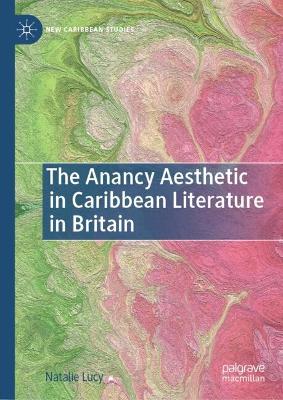
Anancy Aesthetic in Caribbean Literature in Britain: The Anancy Aesthetic in Caribbean Literature in Britain [Kõva köide]

  • Formaat: Hardback, 239 pages, kõrgus x laius: 210x148 mm, 1 Illustrations, black and white
  • Sari: New Caribbean Studies
  • Ilmumisaeg: 26-Jun-2026
  • Kirjastus: Palgrave Macmillan
  • ISBN-10: 3032226678
  • ISBN-13: 9783032226679
  • Kõva köide
  • Hind: 108,52 €*
  • * hind on lõplik, st. muud allahindlused enam ei rakendu
  • Tavahind: 144,69 €
  • Säästad 25%
  • See raamat ei ole veel ilmunud. Raamatu kohalejõudmiseks kulub orienteeruvalt 3-4 nädalat peale raamatu väljaandmist.
  • Kogus:
  • Lisa ostukorvi
  • Tasuta tarne
  • Tellimisaeg 2-4 nädalat
  • Lisa soovinimekirja
  • Formaat: Hardback, 239 pages, kõrgus x laius: 210x148 mm, 1 Illustrations, black and white
  • Sari: New Caribbean Studies
  • Ilmumisaeg: 26-Jun-2026
  • Kirjastus: Palgrave Macmillan
  • ISBN-10: 3032226678
  • ISBN-13: 9783032226679
This book explores how the Anancy tales have been reinvented at critical political junctures to speak to identity and heritage. In her monograph, Natalie Lucy considers the influence of an Anancy aesthetic on the writing of British authors with Caribbean heritage. Originating in the Caribbean versions of the Anancy tales, the aesthetic focuses both on the symbolism of the eponymous trickster character, the liminal, brazen and malleable Anancy who offered a device to push against traditional, Eurocentric storytelling styles, and the multisensory aspects of the tales. The stories offered a distinct, fortifying language on the plantations and a fundamental feature of the Anancy aesthetic is its themes of identity and heritage. Its impact is prominent in the writing of the Caribbean Artists Movement when debating a Caribbean voice in the 1960s, but also emerges in the writing of Second Generation authors, including Alex Wheatle and Andrea Levy. Most interesting, features of the tales appear in a diverse panoply of cultural traditions, which, while distinctly Caribbean are now intertwined with ideas of Britishness.


Part literary biography, Lucy has built upon archival research and interviews, as she follows Anancys historical path to trace the multifarious ways he has been shaped by the circumstances of his reinvention. A key question is how and why the Anancy tales continue to provide inspiration for myriad transnational writers, not only through a multisensory style of storytelling but in centralising themes of resistance, heritage and voice.
.- Introduction.- Part One: Foundations and the Creation of an Anancy
Aesthetic.
Chapter 1: Recovering the Stories.
Chapter 2: Louise Bennett,
Pretending to be Laughing.- Chapter 3: Arrival. Caribbean Voices and the
Foundations for a Caribbean Aesthetic.
Chapter 4: Defining Voice and the
Significance of Anancy to a Caribbean Aesthetic.- Part Two: New Foundations;
New Beacons.
Chapter 5: Infiltrating the Secret Garden: The Pursuit of Place
for Black Britons of the Caribbean Diaspora.
Chapter 6: Towards a sense of
Belonging: Anancy, the Tales and their Emergence in British Writing of the
Caribbean Diaspora.
Chapter 7: New Generations and the Shape of Anancy in
Contemporary British Writing for Children.- Chapter 8: Anancys Many Shapes:
A British Anancy, Disassembled and Reconstructed Conclusion.
Natalie Lucy completed her Ph.D. in January 2024 at UCL and was previously a solicitor. Part of her Ph.D. included a six-month placement at the British Library working on Andrew Salkey's archive. The project aimed to digitally map the Caribbean diaspora and represent the vital literary networks evidenced in his rich collection of correspondence from a host of celebrated Caribbean writers, politicians, and activists. Lucy is very interested in Caribbean culture and, more generally, how language helps to define identity.