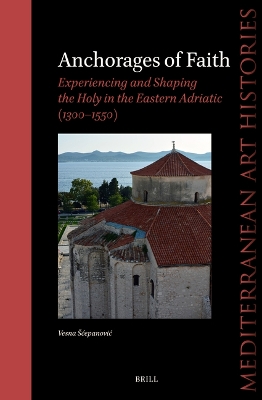
This book traces the network of sanctuaries that marked the sacred topographies of the IstrianDalmatian coast, a key segment of the maritime pilgrimage route to Jerusalem. By combining rich Holy Land travelogues with other primary sources and material evidence, the shaping of cultic spaces emerges as a gradual, multifaceted process, in which pilgrims appear not as passive narrators, but as active recipients and co-authors of the sacred landscapes they visited. This study offers fresh insights into the dynamic interplay between local and new actors, devotional practices and the sensory experience of religious materialities along this pivotal medieval route.
The open access publication of this book was financially supported by the Swiss National Science Foundation (SNSF).