Muutke küpsiste eelistusi

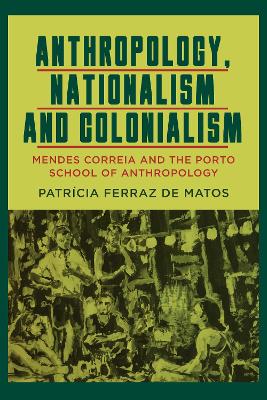
Anthropology, Nationalism and Colonialism: Mendes Correia and the Porto School of Anthropology [Pehme köide]

  • Formaat: Paperback / softback, 394 pages, kõrgus x laius: 229x152 mm, Bibliography; Index; 19 Illustrations
  • Ilmumisaeg: 15-May-2026
  • Kirjastus: Berghahn Books
  • ISBN-10: 1836955766
  • ISBN-13: 9781836955764
Teised raamatud teemal:
  • Pehme köide
  • Hind: 35,33 €
  • See raamat ei ole veel ilmunud. Raamatu kohalejõudmiseks kulub orienteeruvalt 3-4 nädalat peale raamatu väljaandmist.
  • Kogus:
  • Lisa ostukorvi
  • Tasuta tarne
  • Tellimisaeg 2-4 nädalat
  • Lisa soovinimekirja
  • Formaat: Paperback / softback, 394 pages, kõrgus x laius: 229x152 mm, Bibliography; Index; 19 Illustrations
  • Ilmumisaeg: 15-May-2026
  • Kirjastus: Berghahn Books
  • ISBN-10: 1836955766
  • ISBN-13: 9781836955764
Teised raamatud teemal:
A major contribution to the history of European anthropology, this book highlights the Porto School of Anthropology and analyses the work of its main mentor, Mendes Correia (1888-1960). It goes beyond a Portuguese focus to present a wider comparative analysis in which the colonial empire, knowledge of origins, ethnic identity and cultural practices all receive special attention. The analysis takes into account the fact that nationalism, as associated with an ethno-racial paradigm, decisively influenced discourse and scientific and political practices.

Arvustused

The present volume is an important contribution to the history of anthropology, written by one of the most important Portuguese anthropologists in recent yearsFerraz de Matoss bookemphasises a specific (colonial) context not something that many scholars feel comfortable with doingIit will be appreciated both by anthropologists and readers interested in the history of the human sciences. AJEC


A well-written and stimulating study about one of the central figures in the history of Portuguese anthropologyCertainly, this book can be considered one of the most important publications in history of anthropology of the last few years and will become one of the main references for the history of Portuguese anthropology. Anthropos


Matos delivers this intellectual biography as a historical tour de force that opens numerous gates for further decisive new research. In this sense, the monograph is indeed a landmark study and challenging but important reading for historians and students in history and anthropology, especially focusing on the history of science, the transformation of Portuguese urban society, and late colonialism and reform attempts. H-Net Reviews in the Humanities and Social Sciences


The work highlights the relevance of the decolonial turn to understand the stereotypes and ways in which the Portuguese Colonial Empire reflected the ideas propagated by its anthropologists. An indispensable reading for those seeking to understand the connection between anthropology, nationalism and colonialism in 20th century Europe. História, Ciências, Saúde Manguinhos

List of Illustrations

Acknowledgements

List of Acronyms and Abbreviations

List of Archives and Libraries


Introduction


Chapter
1. Biography of Mendes Correia (1888-1960)

Chapter
2. The Institutionalization of Anthropology in Portugal: The Case of
the Porto School of Anthropology

Chapter
3. A Diversity of Topics Attached to the Study of Humanity

Chapter
4. Practical Uses of Anthropology

Chapter
5. Mendes Correias Political Legacy


Conclusion. The Legacy of Mendes Correia and of the Porto School of
Anthropology


Appendix 1: Volumes of Miscellaneous from the Porto School of Anthropology

Appendix 2: Foreign Authors in the Miscellaneous of the Porto School of
Anthropology


References

Index
Patrícia Ferraz de Matos is a research fellow at the Institute of Social Sciences, University of Lisbon. She is associate editor of the Anthropological Journal of European Cultures (2020-2024), convener of the Europeanist Network of EASA (2020-2024) and deputy director of the journal Análise Social (2021-2024). She is the author of The Colours of the Empire (Berghahn Books, 2013).