Muutke küpsiste eelistusi

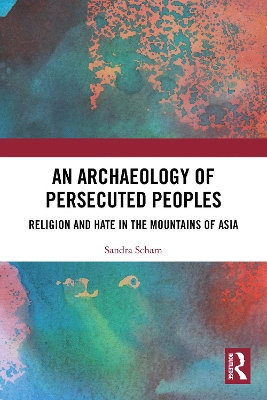
Archaeology of Persecuted Peoples: Religion and Hate in the Mountains of Asia [Pehme köide]

(Cathlotic University of America, USA)
  • Formaat: Paperback / softback, 260 pages, kõrgus x laius: 234x156 mm, 12 Halftones, black and white; 12 Illustrations, black and white
  • Ilmumisaeg: 22-Jun-2026
  • Kirjastus: Routledge
  • ISBN-10: 1032573643
  • ISBN-13: 9781032573649
Teised raamatud teemal:
  • Pehme köide
  • Hind: 48,81 €*
  • * hind on lõplik, st. muud allahindlused enam ei rakendu
  • Tavahind: 65,09 €
  • Säästad 25%
  • See raamat ei ole veel ilmunud. Raamatu kohalejõudmiseks kulub orienteeruvalt 3-4 nädalat peale raamatu väljaandmist.
  • Kogus:
  • Lisa ostukorvi
  • Tasuta tarne
  • Tellimisaeg 2-4 nädalat
  • Lisa soovinimekirja
  • Formaat: Paperback / softback, 260 pages, kõrgus x laius: 234x156 mm, 12 Halftones, black and white; 12 Illustrations, black and white
  • Ilmumisaeg: 22-Jun-2026
  • Kirjastus: Routledge
  • ISBN-10: 1032573643
  • ISBN-13: 9781032573649
Teised raamatud teemal:
This book examines the pasts and presents of some of the worlds most persecuted peoples, in search of answers to the question of why minorities living in Asias Highlands, with ancient roots in their homelands, have been continually oppressed by both historical and modern governments.

The role of religious beliefs and practices is crucial to their story of isolation, tenacity, and resistance in the mountains of Asia. The Rohingya, Uyghurs, Hazara, Yazidis, Armenians, and Samaritans were among the earliest adopters of monotheist religions in their respective regions. The chapters devoted to each of these ethno-religious minorities explore the archaeological evidence for their millennia-old presence in South, East, and West Asia, their historical trajectories, and the more recent events that have decimated their populations and destroyed their ways of living. Examining both the parochial and universalist roots of their beliefs and practices as they evolved from the Axial Age teachings of Zoroaster, the Israelite prophets, and Ancient Greek philosophers, this book explains how the people of the Arakan, Tienshan, Hazarajat, Sinjar, Tauru,s and Gerizim mountains came to be regarded as perennial enemies of empires and nations.
Part 1 Introduction: Mountains, Violence, and Axial Religions
1. In the
Lions Land
2. Mountain Cultures
3. Mountain Conflicts
4. Mountain
Transformations Part 2 Embattled Highland Minorities
5. Monsters of Arakan
6.
The Dragon and the Wolf
7. Children of the Great Khan
8. "Devil Worshippers"
of Sinjar
9. A View from Ararat
10. The Last Israelites Part 3 Conclusions
11. Faith, Hate, and the State
12. Turmoil in the Mountains of the Lord
Sandra Scham is an anthropologist and archaeologist. She is currently an Instructor in the Graduate Program of the Center for the Study of Terrorism and Responses to Terrorism at the University of Maryland. She has worked on projects for USAID and the Department of State since 2008 in Asia and the Middle East. She has published over one hundred articles and has co-edited two books. Her previous published books for Routledge are Extremism: Ancient and Modern and Inside Affirmative Action.