Muutke küpsiste eelistusi

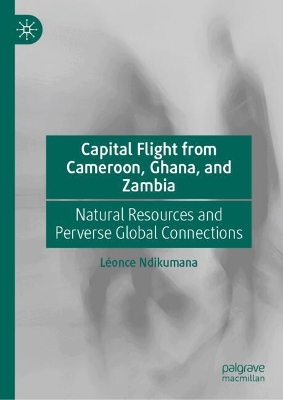
Capital Flight from Cameroon, Ghana, and Zambia: Natural Resources and Perverse Global Connections [Kõva köide]

  • Formaat: Hardback, kõrgus x laius: 210x148 mm, 35 Illustrations, black and white
  • Ilmumisaeg: 21-Jun-2026
  • Kirjastus: Palgrave Macmillan
  • ISBN-10: 3032227690
  • ISBN-13: 9783032227690
  • Kõva köide
  • Hind: 149,39 €*
  • * hind on lõplik, st. muud allahindlused enam ei rakendu
  • Tavahind: 199,19 €
  • Säästad 25%
  • See raamat ei ole veel ilmunud. Raamatu kohalejõudmiseks kulub orienteeruvalt 3-4 nädalat peale raamatu väljaandmist.
  • Kogus:
  • Lisa ostukorvi
  • Tasuta tarne
  • Tellimisaeg 2-4 nädalat
  • Lisa soovinimekirja
  • Formaat: Hardback, kõrgus x laius: 210x148 mm, 35 Illustrations, black and white
  • Ilmumisaeg: 21-Jun-2026
  • Kirjastus: Palgrave Macmillan
  • ISBN-10: 3032227690
  • ISBN-13: 9783032227690
Unrecorded capital outflows from African countries impact more than just individual countries in Africa. The unrecorded transfer of money, also known as capital flight, is a global economic problem. This contributes to broader illicit financial flows, which are enabled by deal makers that help private actors embezzle funds, evade taxation and exchange controls, and create shell corporations to disguise funds. The financial hemorrhage through capital flight makes it harder for African countries to finance basic services and achieve their economic development goals. Existing evidence indicates that developing countries that are highly dependent on natural resources tend to be exposed to capital flight and corporate tax evasion. This book focuses on the cases of Cameroon, Ghana, and Zambia and examines historical, economic, and institutional drivers as well as mechanisms of capital flight from both within each country and perverse connection with the rest of the world. The chapters investigate the implications of fiscal regimes governing natural resource extraction for the distribution of the gains, notably rent sharing, tax mobilization, and the generation and repatriation of foreign exchange earnings from natural resource exports. The chapters provide evidence of export misinvoicing and illustrate the role of commodity-trading hubs in perpetuating opacity in commodity trade transactions and the associated losses for African resource exporters. The book highlights differences and similarities across the three countries, thus offering a unique comparative analysis and providing pertinent policy recommendations.
1. Introduction: The Pernicious Nexus Between Capital Flight and Natural
Resources in Africa.-
2. Magnitudes and Drivers of Capital Flight from
Cameroon, Ghana and Zambia-
3. Who Owns Gold in Ghana? The Legacy of
Unbalanced Exchange.-
4. Cocoa in Ghana, the Political Crop: State control
matters.-
5. The State, Corporations, or the People: Who Benefits from Mining
in Zambia?.-
6. Zambian Missing Copper, Gemstones and Gold: Dark Spots in
International Commodity Trade.-
7. Oil and the Cameroonian Economy: Dual
Dependence and the Many Faces of the Curse.-
8. Conclusion: A New Strategy
to leverage Africas natural resources.
Léonce Ndikumana is a distinguished professor of economics and the director of the African Development Policy Program for the Political Economy Research Institute (PERI) at the University of Massachusetts Amherst.