Muutke küpsiste eelistusi

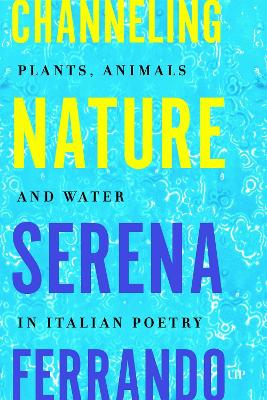
Channelling Nature: Plants, Animals, and Water in Italian Poetry [Kõva köide]

  • Formaat: Hardback, 240 pages, kõrgus x laius x paksus: 235x159x19 mm, kaal: 470 g, 23 illustrations
  • Sari: Toronto Italian Studies
  • Ilmumisaeg: 19-May-2026
  • Kirjastus: University of Toronto Press
  • ISBN-10: 1049800931
  • ISBN-13: 9781049800936
Teised raamatud teemal:
  • Kõva köide
  • Hind: 56,40 €*
  • * hind on lõplik, st. muud allahindlused enam ei rakendu
  • Tavahind: 70,50 €
  • Säästad 20%
  • See raamat ei ole veel ilmunud. Raamatu kohalejõudmiseks kulub orienteeruvalt 3-4 nädalat peale raamatu väljaandmist.
  • Kogus:
  • Lisa ostukorvi
  • Tasuta tarne
  • Tellimisaeg 2-4 nädalat
  • Lisa soovinimekirja
  • Formaat: Hardback, 240 pages, kõrgus x laius x paksus: 235x159x19 mm, kaal: 470 g, 23 illustrations
  • Sari: Toronto Italian Studies
  • Ilmumisaeg: 19-May-2026
  • Kirjastus: University of Toronto Press
  • ISBN-10: 1049800931
  • ISBN-13: 9781049800936
Teised raamatud teemal:

What if poetry could teach us to live differently – alongside plants, animals, and water? Channeling Nature: Plants, Animals, and Water in Italian Poetry explores how twentieth-century Italian literature can be a powerful medium for ecological thought.


Through close readings of poets like Andrea Zanzotto, Daria Menicanti, and Milo De Angelis, environmental and Italian studies professor Serena Ferrando reveals how poetry gives voice to the more-than-human world and models new forms of multispecies cohabitation, resistance, and care. Moving beyond traditional symbolism, the book shows how poetic language channels the agency of nature itself, shaping environmental sensibilities and ethical engagement. Drawing on ecocriticism, environmental humanities, and Italian literary studies, Ferrando combines literary analysis with transdisciplinary insight to highlight the ethical, aesthetic, and philosophical significance of poetry’s engagement with nature.


Organized around the bodies of plants, animals, and water, the book uncovers surprising connections between humans and the non-human world. Ultimately, Channeling Nature argues that poetry’s marginality and contemplative pace foster a unique ecological attention – one rooted in empathy and imagination, inspiring more sustainable ways of living.

Acknowledgments
List of Figures
Introduction
Chapter 1: Poetry as Ecological Tool
Chapter 2: Gardening the Symbiocene: Andrea Zanzottos and Daria Menicantis
Poetic Hospitability
Chapter 3: Traces, Scripts, and Texts: Daria Menicantis Poetic
Human/Non-human Entanglements
Chapter 4: Milo De Angeliss Watery Alterscape
Chapter 5: Case Study: Poetrys Influence on Milans Aquatic Geographies
Concluding Remarks
Endnotes
Bibliography
Index
Serena Ferrando is an assistant professor of environmental humanities and Italian at Arizona State University.