Muutke küpsiste eelistusi

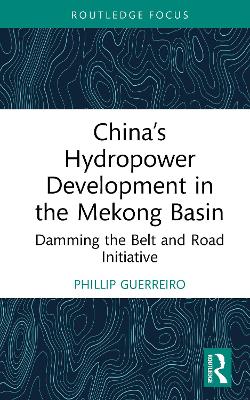
Chinas Hydropower Development in the Mekong Basin: Damming the Belt and Road Initiative [Kõva köide]

  • Formaat: Hardback, 142 pages, kõrgus x laius: 216x138 mm, 7 Tables, black and white; 7 Line drawings, black and white; 7 Illustrations, black and white
  • Sari: Rethinking Asia and International Relations
  • Ilmumisaeg: 22-Jun-2026
  • Kirjastus: Routledge
  • ISBN-10: 1041143605
  • ISBN-13: 9781041143604
  • Kõva köide
  • Hind: 58,94 €*
  • * hind on lõplik, st. muud allahindlused enam ei rakendu
  • Tavahind: 78,59 €
  • Säästad 25%
  • See raamat ei ole veel ilmunud. Raamatu kohalejõudmiseks kulub orienteeruvalt 3-4 nädalat peale raamatu väljaandmist.
  • Kogus:
  • Lisa ostukorvi
  • Tasuta tarne
  • Tellimisaeg 2-4 nädalat
  • Lisa soovinimekirja
  • Formaat: Hardback, 142 pages, kõrgus x laius: 216x138 mm, 7 Tables, black and white; 7 Line drawings, black and white; 7 Illustrations, black and white
  • Sari: Rethinking Asia and International Relations
  • Ilmumisaeg: 22-Jun-2026
  • Kirjastus: Routledge
  • ISBN-10: 1041143605
  • ISBN-13: 9781041143604

This book highlights the connections and consequences of China’s regional foreign relations and the Belt & Road Initiative (BRI), a key part of which is China's involvement in hydropower projects.Analyzing the BRI from the bottom up, this book creates frameworks from Chinese politics, regional politics, and international relations.


This book highlights the connections and consequences of China’s regional foreign relations and the Belt & Road Initiative (BRI), a key part of which is China's involvement in hydropower projects.

The connective nature of hydropower infrastructure illustrates the integrative component of China’s dam development in the Mekong and establishes the foundation for the creation of a region. Laos, Thailand, Cambodia, and Vietnam have all played a role in absorbing either directly or indirectly the economic benefits of Chinese hydropower development in the Mekong basin, rather than portraying the BRI as a coercive tool, the book shows recipient states have agency in choosing to participate.

Analyzing the BRI from the bottom up, this book creates frameworks from hydro-politics, Chinese politics, environmental politics regional politics, and international relations.

Preface Introduction 1: Chinas Motivations 2: Downstream Reactions 3:
Chinas Dam Building in Central and South Asia Conclusion
Phillip Guerreiro is an Assistant Professor of Military and Security Studies in the Joint All-Domain Strategist department at the Air Command and Staff College. He holds a PhD in International Relations from Florida International University. His research focuses on Chinese and East Asian foreign policy, environmental security, resource conflict, and infrastructure development. Dr. Guerreiros scholarship has appeared in The Chinese Journal of International Politics, Parameters, and the Journal of East Asia Security. His work examines the intersections of geopolitics and natural resource development, with particular attentions to how state-driven infrastructure initiatives reshape regional power dynamics the ecological systems that shape the regions. Chinas Hydropower Development in the Mekong Basin is his latest contribution to the fields of International Relations and Environmental Security.