Muutke küpsiste eelistusi

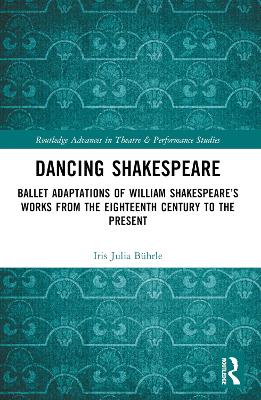
Dancing Shakespeare: Ballet Adaptations of William Shakespeares Works from the Eighteenth Century to the Present [Pehme köide]

  • Formaat: Paperback / softback, 304 pages, kõrgus x laius: 234x156 mm, 1 Tables, black and white; 30 Halftones, black and white; 30 Illustrations, black and white
  • Sari: Routledge Advances in Theatre & Performance Studies
  • Ilmumisaeg: 22-Jun-2026
  • Kirjastus: Routledge
  • ISBN-10: 103279609X
  • ISBN-13: 9781032796093
Teised raamatud teemal:
  • Pehme köide
  • Hind: 48,81 €*
  • * hind on lõplik, st. muud allahindlused enam ei rakendu
  • Tavahind: 65,09 €
  • Säästad 25%
  • See raamat ei ole veel ilmunud. Raamatu kohalejõudmiseks kulub orienteeruvalt 3-4 nädalat peale raamatu väljaandmist.
  • Kogus:
  • Lisa ostukorvi
  • Tasuta tarne
  • Tellimisaeg 2-4 nädalat
  • Lisa soovinimekirja
  • Formaat: Paperback / softback, 304 pages, kõrgus x laius: 234x156 mm, 1 Tables, black and white; 30 Halftones, black and white; 30 Illustrations, black and white
  • Sari: Routledge Advances in Theatre & Performance Studies
  • Ilmumisaeg: 22-Jun-2026
  • Kirjastus: Routledge
  • ISBN-10: 103279609X
  • ISBN-13: 9781032796093
Teised raamatud teemal:
Dancing Shakespeare is the first history of ballets based on William Shakespeares works from the birth of the dramatic story ballet in the eighteenth century to the present. It focuses on two main questions: "How can Shakespeare be danced?" and "How can dance shed new light on Shakespeare?"

The book explores how librettists and choreographers have transposed Shakespeares complex storylines, multifaceted protagonists, rhetoric and humour into non-verbal means of expression, often going beyond the texts in order to comment on them or use them as raw material for their own creative purposes.

One aim of the monograph is to demonstrate that the study of wordless performances allows us to gain a deeper understanding of Shakespeares texts. It argues that ballets based on Shakespeares works direct the audiences attention to the "bare bones" of the plays: their situations, their characters, and the evolution of both. Moreover, they reveal and develop the "choreographies" that are written into the texts and highlight the importance of movements and gestures as signifiers in Shakespeares plays.

This book will be of interest to students and scholars of literature, dance, and music, as well as to an international readership of lovers of Shakespeare, ballet, and the arts.
1. Hamlet
2. Othello
3. Romeo and Juliet
4. Other Tragedies
5. A
Midsummer Nights Dream
6. Other Comedies
7. Late Plays
8. History Plays,
Poetry, Multiple Sources
Iris Julia Bührle is a Researcher and Guest Lecturer at Stanford University's Bing Overseas Program.