Muutke küpsiste eelistusi

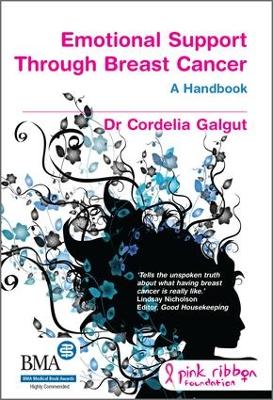
Emotional Support Through Breast Cancer: The Alternative Handbook [Pehme köide]

  • Formaat: Paperback / softback, 80 pages, kõrgus x laius: 210x190 mm, kaal: 132 g
  • Ilmumisaeg: 16-Sep-2013
  • Kirjastus: CRC Press
  • ISBN-10: 1846199360
  • ISBN-13: 9781846199363
Teised raamatud teemal:
  • Pehme köide
  • Hind: 26,54 €*
  • * hind on lõplik, st. muud allahindlused enam ei rakendu
  • Tavahind: 35,39 €
  • Säästad 25%
  • Raamatu kohalejõudmiseks kirjastusest kulub orienteeruvalt 3-4 nädalat
  • Kogus:
  • Lisa ostukorvi
  • Tasuta tarne
  • Tellimisaeg 2-4 nädalat
  • Lisa soovinimekirja
  • Raamatukogudele
  • Formaat: Paperback / softback, 80 pages, kõrgus x laius: 210x190 mm, kaal: 132 g
  • Ilmumisaeg: 16-Sep-2013
  • Kirjastus: CRC Press
  • ISBN-10: 1846199360
  • ISBN-13: 9781846199363
Teised raamatud teemal:
This compassionate guide presents an array of new perspectives on the emotional effects of breast cancer and includes many personal testimonies from women who have been diagnosed with this disease. Written by a breast cancer survivor and practising psychologist, it shares practical ideas to help support sufferers at all stages, be it at diagnosis, during treatment or during life after the initial treatments are over. The concise, easy-to-read format includes exercises to develop an acceptance of thoughts and feelings, whilst the individual accounts validate the multitude of emotions felt by sufferers. It is a must for all breast cancer patients and sufferers, their families and friends. Its real-life approach, using first hand accounts, is also highly recommended for all health and social care professionals wanting a fresh approach to managing the emotional impacts of breast cancer. The shock of being diagnosed with breast cancer is hard to describe in words, as anyone who has had to suffer this diagnosis knows. Until it happens to us, we cannot really know how it feels. Not only do we have to deal with the diagnosis and subsequent treatments, but also we have to deal with the fact that breast cancer profoundly affects how we feel about ourselves as women. From the Introduction

Arvustused

'The book has exercises to develop an acceptance of thoughts and feelings, whilst the individual accounts validate the multitude of emotions felt by sufferers. This book has had glowing reviews and it is easy to see why; it has the tone of a good friend and the wisdom of a health care professional. Anything to get through the trauma of breast cancer is a must, and this book impressed me on many levels: An essential.' - Frost Magazine

About the author 1(1)
Acknowledgements 2(2)
Introduction 4(1)
Why I have written this book 5(1)
About this book 5(2)
Moving on 7(2)
What affects how we feel through breast cancer?
9(19)
Prognosis
9(1)
Treatment
9(2)
Myths about treatment
11(4)
Enduring emotions
15(4)
Some practical suggestions that might be helpful
19(2)
Longer-term shock
21(5)
The longer-term impact of trauma
26(2)
Why can people, including those of us with breast cancer, often act as if breast cancer is easier to live with than it is?
28(5)
Relationships
33(13)
Family and friends
34(5)
Relationships with doctors and nurses
39(3)
Getting emotional support through breast cancer
42(4)
Is this fear of cancer/breast cancer made worse by anything else?
46(5)
All cancers are hard to live with, but is there anything about breast cancer that is different?
47(4)
Why can having breast cancer make us feel bad about ourselves?
51(5)
Why can we easily feel this bad?
52(2)
Am I to blame?
54(2)
Long-term effects of treatment
56(1)
Further reading
57(3)
Finally
57(1)
Please don't...
58(2)
Just diagnosed
60(11)
Shock
61(2)
It's not your fault
63(1)
Talking to doctors and nurses about your diagnosis and surgery
64(1)
Reactions of those around us
65(4)
Telling people
69(1)
After surgery
70(1)
A final reminder
70(1)
References 71
Dr Cordelia Galgut is a practising BPS Chartered psychologist, an HCPC Registered counselling psychologist and a Registered MBACP senior accredited counsellor/psychotherapist. She is widely published on various aspects of psychology, counselling and psychotherapy, but since her breast cancer diagnosis in 2004 has often written about the emotional impact of breast cancer from her dual perspective as psychologist and breast cancer sufferer.