Muutke küpsiste eelistusi

Forms of Blackness: Race and Visibility in the French-Speaking World [Kõva köide]

  • Formaat: Hardback, 264 pages, kõrgus x laius: 229x152 mm, kaal: 572 g, 43 illustrations
  • Ilmumisaeg: 23-Jun-2026
  • Kirjastus: Duke University Press
  • ISBN-10: 1478033835
  • ISBN-13: 9781478033837
Teised raamatud teemal:
  • Kõva köide
  • Hind: 99,45 €*
  • * hind on lõplik, st. muud allahindlused enam ei rakendu
  • Tavahind: 132,60 €
  • Säästad 25%
  • See raamat ei ole veel ilmunud. Raamatu kohalejõudmiseks kulub orienteeruvalt 3-4 nädalat peale raamatu väljaandmist.
  • Kogus:
  • Lisa ostukorvi
  • Tasuta tarne
  • Tellimisaeg 2-4 nädalat
  • Lisa soovinimekirja
  • Formaat: Hardback, 264 pages, kõrgus x laius: 229x152 mm, kaal: 572 g, 43 illustrations
  • Ilmumisaeg: 23-Jun-2026
  • Kirjastus: Duke University Press
  • ISBN-10: 1478033835
  • ISBN-13: 9781478033837
Teised raamatud teemal:
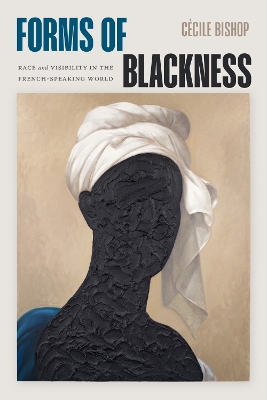
Considering race as form across literature, theory, painting, and photography, Cécile Bishops Forms of Blackness explores the formal devices that make Blackness both visible and recognizable. In keeping with Black Francophone theorists like Glissant and Fanon, Bishop uses the ambiguities these aesthetic forms carry to explore a range of identity concepts like opacity, formlessness, and doubleness. Bishop puts Blackness-as-race and blackness-as-form in dialogue, showing how race disrupts the concept of artistic autonomy and how the aesthetic challenges race as a self-evident visual phenomenon. Thought together, form does not isolate blackness from race but rather calls attention to the material substrate that turns race into a phenomenon that can be experienced through sense perception. Moving between careful analysis and experimental modes of critique, Forms of Blackness offers a new way of thinking about the politics of visibility and offers a pressing invitation to question the ways we interpret what we see.

Arvustused

Cécile Bishops Forms of Blackness is an exceptional book with a compelling premise: to consider blackness as a form of production rather than as an empirical fact, moving deftly beyond the bounds of Anglophone critical race theory. Original and elegant, Bishop posits provocative and well thought-through possibilities for meaningfully deconstructing racial categories.Kaiama L. Glover, author of, A Regarded Self: Caribbean Womanhood and the Ethics of Disorderly Being

This is a rich, original, and inventive project that will have a resounding impact. Bishops brilliant readings denaturalize racialized perception, surface vivid contradictions, invite readers to feel discomfort in familiar aesthetic experiences (and find pleasure and power in others), and suggest new ways of conceptualizing, and seeing, Blackness that transgress representation. This is urgent and extremely timely work.Jennifer Bajorek, author of, Unfixed: Photography and Decolonial Imagination in West Africa

List of Illustrations ix
Preface xiii
Introduction 1
1. Blackness Unseen: The Liberation of Paris, in Black and White 33
2. Portrait of Madeleine Versus Portrait of a Negress? Portraiture, Race,
and Subjectivity in Marie-Guillemine Benoists Painting 69
3. The Becoming-Insect of Frantz Fanon: Blackness, Form, and Lived
Experience 100
4. Photographic Possessions: Summoning the Diaspora in Samuel Fossos
African Spirits 135
Conclusion 177
Acknowledgments 189
Notes 197
Sources 223
Index
Cécile Bishop is Associate Professor of Francophone Post-Colonial Literatures and Cultures at University of Oxford and Kelleher Fellow in French at Oriel College. She is the author of Postcolonial Criticism and Representations of African Dictatorship: The Aesthetics of Tyranny.