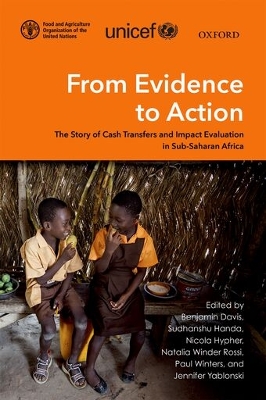
Impact evaluations must be embedded in the ongoing process of policy and programme design in order to be effective in influencing country policy. This is the primary lesson found in this book, which is based on the rigorous impact evaluations and country-case study analysis of government-run cash transfer programmes undertaken in eight Sub-Saharan African countries (Kenya, Ghana, Ethiopia, Zambia, Zimbabwe, Lesotho, Malawi, South Africa) evaluated as part of the Transfer Project and From Protection to Production Project. The impact evaluations employed mixed method approaches, including randomized controls trials (RCTs) and non-experimental designs, qualitative methods and village LEWIE-CGE modelling. Evidence presented in the book counteracts concerns around social protection creating dependency showing that unconditional cash transfers lead to a broad range of social and productive impacts, even though they are not tied to any specific behaviour.
Arvustused
The detailed description and reflective assessment of the methodological approach to impact evaluation in the volume is a very welcomed addition to the existing literature. Together with the project reports cited and with the eventual availability of the relevant data, this volume will be an invaluable resource for future research. * Armando Barrientos, University of Manchester *
|
|
|
xiii | |
|
|
|
xv | |
|
|
|
xvii | |
| Notes on Editors and Lead Authors |
|
xxxi | |
|
1 The Transfer Project, Cash Transfers, and Impact Evaluation in Sub-Saharan Africa |
|
|
1 | (16) |
|
|
|
|
|
|
|
|
|
|
|
|
|
PART I DESIGNING THE CASH TRANSFER IMPACT EVALUATIONS |
|
|
|
2 The Political Economy of Cash Transfer Evaluations in Sub-Saharan Africa |
|
|
17 | (26) |
|
|
|
|
|
|
|
3 Implementing Rigorous Evaluations in the Real World: The Quantitative Approach to Evaluation Design in the Transfer Project |
|
|
43 | (28) |
|
|
|
|
|
4 Qualitative Methods in Impact Evaluations of Cash Transfer Programmes in the Transfer Project in Sub-Saharan Africa |
|
|
71 | (23) |
|
|
|
|
|
5 Local Economy-Wide Impact Evaluation of Social Cash Transfer Programmes |
|
|
94 | (23) |
|
|
|
|
|
|
|
PART II ASSESSMENT OF CASH TRANSFER PROGRAMMES: COUNTRY CASE STUDIES |
|
|
|
6 The Cash Transfer Programme for Orphans and Vulnerable Children: The Catalyst for Cash Transfers in Kenya |
|
|
117 | (29) |
|
|
|
|
|
|
|
|
|
|
|
|
|
|
|
|
|
|
|
|
|
|
|
7 Social Protection and the Livelihood Empowerment Against Poverty (LEAP) Programme in Ghana: Generating Positive Change through the Power of Evidence |
|
|
146 | (22) |
|
|
|
|
|
|
|
|
|
|
|
|
|
|
|
|
|
|
|
|
|
8 The Role of the Tigray Pilot Social Cash Transfer Programme and its Evaluation in the Evolution of the Tigray Social Protection Policy |
|
|
168 | (29) |
|
|
|
|
|
|
|
|
|
|
|
|
|
|
|
|
|
|
|
|
|
|
|
|
|
|
|
|
|
|
|
|
|
|
|
|
|
|
|
|
|
|
|
|
|
|
|
9 The Role of Impact Evaluation in the Evolution of Zambia's Cash Transfer Programme |
|
|
197 | (29) |
|
|
|
|
|
|
|
|
|
|
|
|
|
10 Zimbabwe: Using Evidence to Overcome Political and Economic Challenges to Starting a National Unconditional Cash Transfer Programme |
|
|
226 | (21) |
|
|
|
|
|
|
|
|
|
|
|
|
|
11 Does Evidence Matter? Role of the Evaluation of the Child Grants Programme in the Consolidation of the Social Protection Sector in Lesotho |
|
|
247 | (34) |
|
|
|
|
|
|
|
|
|
|
|
|
|
|
|
|
|
|
|
|
|
12 The Social Cash Transfer Programme of Malawi: The Role of Evaluation from the Pilot to the Expansion |
|
|
281 | (25) |
|
|
|
|
|
|
|
|
|
|
|
|
|
|
|
|
|
|
|
13 The Impact of a Promise Realized: South Africa's Child Support Grant |
|
|
306 | (29) |
|
|
|
|
|
|
|
|
|
|
|
|
|
|
|
|
|
|
|
|
|
|
|
PART III SYNTHESIS OF RESULTS |
|
|
|
14 Conclusions and Policy Implications for Cash Transfer Programmes |
|
|
335 | (24) |
|
|
|
|
|
|
|
|
|
|
|
|
| Index |
|
359 | |
Benjamin Davis is Deputy Director of the Agricultural Development Economics Division at FAO and team leader of the From Production to Protection (PtoP) project. He has served as Social Policy Advisor for the UNICEF Regional Office in Eastern and Southern Africa and as a Research and Post Doctoral Fellow at IFPRI. He holds a PhD in Agricultural Economics and a Masters in Public Policy from UC Berkeley.
Sudhanshu Handa is a development economist specializing in poverty, human resources, and public policy in developing countries. Over the last five years he has led five large-scale evaluations of national cash transfer programs in sub-Saharan Africa as part of the Transfer Project. His previous positions include Lecturer at the University of the West Indies, Mona Campus, Jamaica, Professor of Agricultural Economics at the Eduardo Mondlane University, Maputo, Mozambique, and Regional Social Policy Advisor, Eastern & Southern Africa Regional Office, UNICEF. He received his PhD in Economics from the University of Toronto and his BA in Political Economy from the Johns Hopkins University.
Nicola Hypher is Senior Social Protection Adviser at Save the Children. In this role, Nicola leads the social protection portfolio for Save the Children, providing technical support and programme development. Prior to this, she worked as a Research Analyst for the United Nations Research Institute for Social Development (UNRISD) and the UK Public Sector. Nicola's areas of expertise include child-sensitive social protection, social policy and social housing. Nicola holds an MSc. in Development Studies from the London School of Economics.
Natalia Winder Rossi is a senior social protection specialist with experience in Latin America and Eastern and Southern Africa. She is Senior Social Protection Officer at FAO. Prior to joining FAO, she was the Senior Programme Specialist (Social Protection) at UNICEF's Regional Office for Eastern and Southern Africa where she led UNICEF support for social protection across 21 countries. Ms. Winder co-led and co-authored the development of UNICEF's first ever Social Protection Strategic Framework, which lays out UNICEF approach and principles for their work in this. Prior to joining UNICEF, Ms. Winder worked at the Inter-American Development Bank is social protection design, indigenous peoples development and education programmes.
Paul Winters is the Director of Strategic Planning and Impact Assessment at the International Fund for Agricultural Development and a Professor in the Department of Economics at American University in Washington DC. He previously worked at the International Potato Center in Lima Peru, the University of New England in Australia, and the Inter-American Development Bank in Washington, DC. He has published numerous journal articles and working papers in the areas of impact evaluation, migration, cash transfer programmes, and smallholder agriculture.
Jenn Yablonski works as a Social Protection Specialist for UNICEF in New York. Her experience includes technical support on social protection policy development and programme design and cash transfer impact evaluation, particularly in sub-Saharan Africa. Her previous work has focused on inequality, exclusion and poverty analysis. She holds an MSc in Economics from the School for Oriental and African Studies, University of London.