Muutke küpsiste eelistusi

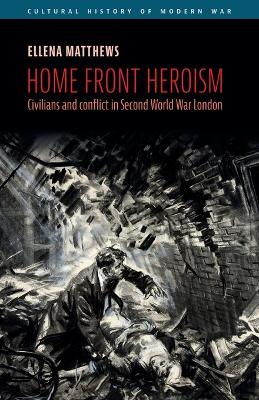
Home front heroism: Civilians and conflict in Second World War London [Pehme köide]

  • Formaat: Paperback / softback, 328 pages, kõrgus x laius x paksus: 216x138x17 mm, kaal: 378 g, 10 Illustrations
  • Sari: Cultural History of Modern War
  • Ilmumisaeg: 23-Jun-2026
  • Kirjastus: Manchester University Press
  • ISBN-10: 1526197952
  • ISBN-13: 9781526197955
  • Pehme köide
  • Hind: 29,40 €*
  • * hind on lõplik, st. muud allahindlused enam ei rakendu
  • Tavahind: 36,75 €
  • Säästad 20%
  • See raamat ei ole veel ilmunud. Raamatu kohalejõudmiseks kulub orienteeruvalt 3-4 nädalat peale raamatu väljaandmist.
  • Kogus:
  • Lisa ostukorvi
  • Tasuta tarne
  • Tellimisaeg 2-4 nädalat
  • Lisa soovinimekirja
  • Formaat: Paperback / softback, 328 pages, kõrgus x laius x paksus: 216x138x17 mm, kaal: 378 g, 10 Illustrations
  • Sari: Cultural History of Modern War
  • Ilmumisaeg: 23-Jun-2026
  • Kirjastus: Manchester University Press
  • ISBN-10: 1526197952
  • ISBN-13: 9781526197955
Home front heroism investigates how civilians were recognised and celebrated as heroic during the Second World War. Through a focus on London, this book explores how heroism was manufactured as civilians adopted roles in production, protection and defence, through the use of uniforms and medals, and through the way that civilians were injured and killed.

This book makes a novel contribution to the study of heroism by exploring the spatial, material, corporeal and ritualistic dimensions of heroic representations. By tracing the different ways that home front heroism was cultivated on a national, local and personal level, this study promotes new ways of thinking about the meaning and value of heroism during periods of conflict. It will appeal to anyone interested in the social and cultural history of Second World War as well as the sociology and psychology of heroism. -- .

Arvustused

'Identifying the antecedents of such celebrations of everyday heroism in British culture, she details the forms such celebrations took and how they were shaped by the environment in which this heroism was demonstrated. These rituals of celebration and commemoration, she concludes, played an important role in helping the population cope with the strains of war. This assessment underscores the value of Matthewss book for collections specializing in British history and WW II, as well as for those interested in the public response to trauma.' CHOICE Reviews -- .

Introduction

1 Production: factories, wartime productivity and workplace heroism
2 Danger: protection, defence and care in the metropolis
3 Uniforms: clothing, uniformity and collective heroism
4 Medals: objects of recognition, materiality and heroism
5 Wounding: aerial bombardment and the civilian war wounded
6 Death: the civilian war dead and shared sacrifice

Conclusion -- .
Ellena Matthews is a historian and civil servant -- .