Muutke küpsiste eelistusi

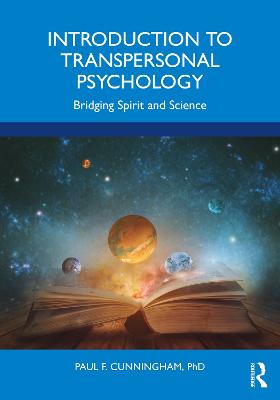
Introduction to Transpersonal Psychology: Bridging Spirit and Science [Pehme köide]

  • Formaat: Paperback / softback, 350 pages, kõrgus x laius: 254x178 mm, kaal: 620 g
  • Ilmumisaeg: 29-Dec-2021
  • Kirjastus: Routledge
  • ISBN-10: 1032051094
  • ISBN-13: 9781032051093
  • Pehme köide
  • Hind: 64,00 €*
  • * hind on lõplik, st. muud allahindlused enam ei rakendu
  • Tavahind: 85,34 €
  • Säästad 25%
  • Raamatu kohalejõudmiseks kirjastusest kulub orienteeruvalt 3-4 nädalat
  • Kogus:
  • Lisa ostukorvi
  • Tasuta tarne
  • Tellimisaeg 2-4 nädalat
  • Lisa soovinimekirja
  • Raamatukogudele
  • Formaat: Paperback / softback, 350 pages, kõrgus x laius: 254x178 mm, kaal: 620 g
  • Ilmumisaeg: 29-Dec-2021
  • Kirjastus: Routledge
  • ISBN-10: 1032051094
  • ISBN-13: 9781032051093
"Introduction to Transpersonal Psychology: Bridging Spirit and Science provides an accessible and engaging introduction to this complex and evolving field. Adopting a modular approach, the book systematically relates key themes of transpersonal psychology to three major areas within psychology: General psychology, experimental psychology, and clinical psychology. Covering a wide range of topics including transpersonal states of consciousness, biological foundations, research methods, and cognition, the book also features extensive discussion of transpersonal theorists, and the impact of their work on our understanding of psychological concepts. The book also introduces contemporary developments in the field and anticipates future advances such as feminist perspectives and cross-cultural approaches alongside practical experiments designed to give transpersonal theories and concepts psychological roots. A critical evaluation of both mainstream and transpersonal theories and research is applied throughout to foster analytical skills and encourage critical and scientific thinking about humanity's nature as spiritual creatures and ways to educate for personal and social transformation. Accompanied by an online instructor's manual, this book will be an essential companion for all students of Transpersonal or Humanistic Psychology, or those interested in applying transpersonal ideas to mainstream psychological research. Paul"--

Introduction to Transpersonal Psychology provides an accessible and engaging introduction to this complex and evolving field. Adopting a modular approach, the book systematically relates key themes of transpersonal psychology to three major areas within psychology: General psychology, experimental psychology, and clinical psychology.

Arvustused

"This book is a landmark event for transpersonal psychology. The field now has its own textbook, and a superb one at that. The book is clearly the culmination of a lifes work of exploration, contemplation, study, and teaching. The scholarship is prodigious, yet the style is lucid and readable. This is a magnificent contribution: an accessible text for students, a rich resource for the field, and a resource to keep returning to. If I could recommend only one transpersonal book for the library of transpersonal psychologists, it would probably be this one."

Roger Walsh, Professor of psychiatry, philosophy, and anthropology at the University of California at Irvine.

Introduction 1(17)
1 Scope and Outline
18(19)
2 Variety of Transpersonal Orientations
37(17)
3 Contemporary Perspectives
54(19)
4 Modern History and Future Challenges
73(19)
5 Transpersonal Psychology as a Human Science
92(20)
6 Knowing, Speaking, and Creating
112(19)
7 Consciousness: States and Traits
131(20)
8 Biological Foundations
151(19)
9 Motivation and Emotion
170(19)
10 Development
189(19)
11 Personality
208(18)
12 Psychological Disorders
226(19)
13 Psychotherapy
245(20)
14 The Transpersonal Vision
265(18)
References 283(57)
Index 340
Paul F. Cunningham, PhD is Emeritus Professor of Psychology at Rivier University. His research interests include transpersonal studies, transpersonal education and spirituality in higher education, paranormal (psi) phenomena, and the experimental psychology of the subconscious. His research also encompasses student outcomes assessment and institutional effectiveness, the use of animals in research, and student choice policies in the psychology classroom.