Muutke küpsiste eelistusi

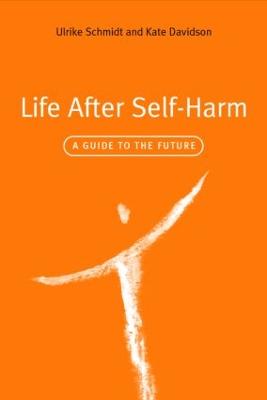
Life After Self-Harm: A Guide to the Future [Pehme köide]

(Kings College London and Consultant Psychiatrist South London and Maudsely NHS Foundation Trust, UK),
  • Formaat: Paperback / softback, 120 pages, kõrgus x laius: 234x156 mm, kaal: 200 g
  • Ilmumisaeg: 18-Mar-2004
  • Kirjastus: Routledge
  • ISBN-10: 1583918426
  • ISBN-13: 9781583918425
Teised raamatud teemal:
  • Pehme köide
  • Hind: 30,59 €*
  • * hind on lõplik, st. muud allahindlused enam ei rakendu
  • Tavahind: 40,79 €
  • Säästad 25%
  • Raamatu kohalejõudmiseks kirjastusest kulub orienteeruvalt 3-4 nädalat
  • Kogus:
  • Lisa ostukorvi
  • Tasuta tarne
  • Tellimisaeg 2-4 nädalat
  • Lisa soovinimekirja
  • Formaat: Paperback / softback, 120 pages, kõrgus x laius: 234x156 mm, kaal: 200 g
  • Ilmumisaeg: 18-Mar-2004
  • Kirjastus: Routledge
  • ISBN-10: 1583918426
  • ISBN-13: 9781583918425
Teised raamatud teemal:

In many countries there has been an alarming increase in rates of suicide and self-harm, yet the stigma attached to these difficulties often leads to sub-optimal care.

Life After Self-Harm: A Guide to the Future is written for individuals who have deliberately harmed themselves. Developed through a major research project the contents of the manual have been informed and shaped by many users and expert professionals. Illustrated with multiple case-histories, it teaches users important skills:

  • for understanding and evaluating self-harm
  • for keeping safe in crisis
  • for dealing with seemingly insolvable problems
  • for developing coping strategies
  • for re-connecting with life.

Health workers who regularly come into contact with individuals who have self-harmed will find the wealth of practical advice in this book extremely valuable for recommendation to patients either as a self-help book, or in the context of brief therapy.

Arvustused

"Although this is written for patients, I found this to be a valuable resouce for A and E nurses, providing an insight into understanding the complexities surrounding self-harm and suggesting a way forward for those who self-harm. This is a fascinating approach which I feel will be of great interest to A and E nurses and prove to enhance their knowledge base on the subject however experienced they are."- Stephanie Davis, Accident and Emergency Nursing Journal 'Although this is written for patients, I found this to be a valuable resouce for A and E nurses, providing an insight into understanding the complexities surrounding self-harm and suggesting a way forward for those who self-harm. This is a fascinating approach which I feel will be of great interest to A and E nurses and prove to enhance their knowledge base on the subject however experienced they are.' - Stephanie Davis, Accident and Emergency Nursing Journal

Deliberate self harm is an enormous problem - for those who harm themselves, for their family and friends and for the health care practitioners who seek to help them through their crises. This book, addressed directly to the suicidal client, provides a step-by-step guide for them to use to navigate their way through their crisis and out the other side. In doing so it gives an invaluable resource for clinicians. The case examples will allow many suicidal people to know that they are not alone. It is founded on the best evidence for what suicidal people find most helpful in these circumstances. - Mark Williams, University of Oxford

Acknowledgements viii
Major health warning ix
Note to health care practitioner x
1 Getting started 1(28)
Introduction
1(1)
You are not alone
2(1)
Why do people harm themselves?
2(5)
Trying to understand your reasons for harming yourself
7(4)
Is there anybody out there?
11(2)
Some further thoughts
13(5)
What next?
18(1)
Key points to remember
19(10)
2 What to do in a crisis 29(12)
Getting support
29(1)
Keeping yourself safe
30(1)
Trying not to slide down into a pit of loneliness and despair
30(1)
Don't expect miracles! Remember practice makes perfect!
30(3)
Things I still want to do
33(1)
Crisis plan
34(1)
Key points to remember
35(6)
3 Learning to solve problems 41(22)
Help! My life is a mess
41(1)
Learning to disentangle your problems
42(1)
Step 1: Finding possible solutions through brainstorming
43(2)
Step 2: Looking at options in detail
45(1)
Step 3: Choosing a solution that fits you
46(1)
Step 4: Finding ways of putting your solution into practice
47(1)
Step 5: Carry out your plan step by step
47(1)
Step 6: Check progress in problem solving
48(1)
Any questions?
48(6)
Key points to remember
54(9)
4 Learn to change your thinking 63(22)
Let's make a start by looking at moods
64(4)
Linking feelings and thoughts
68(1)
A thought is not a fact: Learn to recognize skewed thinking
69(3)
Where does this kind of skewed thinking come from?
72(1)
The memory trap or why does my thinking overwhelm me?
73(1)
Starting a thought record
73(2)
How to challenge biased thinking
75(3)
Key points to remember
78(7)
5 Alcohol, drugs and pills: do you need to cut down or stop? 85(12)
Should you be worried about your alcohol intake?
86(1)
Should you cut down or stop drinking?
87(3)
Have the guts to stop or cut down drinking!
90(2)
Should you be worried about your drug intake?
92(1)
Should you be worried about your consumption of tranquillizers or sleeping tablets?
92(1)
How to deal with sleeping difficulties
92(1)
Key points to remember
93(4)
6 Some further thoughts 97(10)
What can you learn from the past?
97(1)
What if you find yourself slipping again?
98(1)
"If only..." From change to accepting what cannot be changed
99(2)
Final words: A new beginning
101(1)
Key points to remember
102(1)
Further reading
102(5)
7 For relatives and friends 107
What can you do now?
108(1)
Your own feelings
108(1)
Non-critical listening
109(1)
Increasing self-worth
109(1)
Getting involved with life again
109(1)
Professional help
109
Ulrike Schmidt is a Consultant Psychiatrist at the Maudsley Hospital and Senior Lecturer at the Institute of Psychiatry, London.

Kate Davidson is a Consultant Clinical Psychologist in Greater Glasgow Primary Care NHS Trust. She is currently Director of the Glasgow Institute of Psychosocial Interventions.