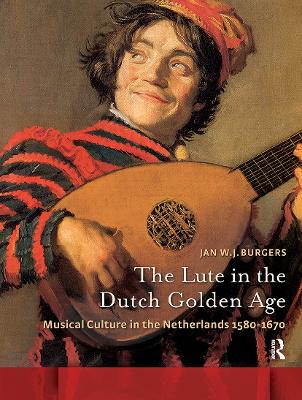
The lute’s cultural impact throughout the Dutch Golden Age can be compared to that of the piano in the 19th century. It was the universal instrument for solo music-making, as well as in ensembles and to accompany singers, mainly associated with the social elite - the aristocracy and the prosperous burghers. This richly illustrated book is the first to showcase famous and obscure lutenists, professional musicians and amateurs, the lute music in books and manuscripts, the lute makers and the international lute trade, while also exploring the place of the instrument in the Dutch literature and art of the period.
This richly illustrated book is the first to showcase famous and obscure lutenists, professional musicians and amateurs, the lute music in books and manuscripts, the lute makers and the international lute trade, while also exploring the place of the instrument in the Dutch literature and art of the period.
Preface,
1. The Lute and Its Music in Europe,
2. Prelude: The Lute in
the Netherlands before 1600,
3. Music in the Dutch Republic,
4. Lutenists of
the Golden Age, c.1580-1670,
5. A Lutenist of Standing: Constantijn Huygens,
6. Lute Music,
7. Infrastructure: Lute Building and the Lute Trade,
8. The
Lute in the Arts of the Golden Age,
9. Postlude: The Lute in the Dutch
Republic, 1670-1800, SOURCES USED
Jan W.J. Burgers is senior researcher at the Huygens Institute for the History of the Netherlands in The Hague and professor of source studies at the University of Amsterdam.