Muutke küpsiste eelistusi

Performing Catharsis: Enacting An Ancient Therapy [Pehme köide]

  • Formaat: Paperback / softback, 320 pages, kõrgus x laius: 234x156 mm
  • Ilmumisaeg: 26-Jun-2026
  • Kirjastus: Routledge
  • ISBN-10: 1032596694
  • ISBN-13: 9781032596693
  • Pehme köide
  • Hind: 44,76 €*
  • * hind on lõplik, st. muud allahindlused enam ei rakendu
  • Tavahind: 59,69 €
  • Säästad 25%
  • See raamat ei ole veel ilmunud. Raamatu kohalejõudmiseks kulub orienteeruvalt 3-4 nädalat peale raamatu väljaandmist.
  • Kogus:
  • Lisa ostukorvi
  • Tasuta tarne
  • Tellimisaeg 2-4 nädalat
  • Lisa soovinimekirja
  • Formaat: Paperback / softback, 320 pages, kõrgus x laius: 234x156 mm
  • Ilmumisaeg: 26-Jun-2026
  • Kirjastus: Routledge
  • ISBN-10: 1032596694
  • ISBN-13: 9781032596693

What is catharsis and how exactly do pity (eleos) and fear (phobos) and other emotions achieve it? Rather than examining catharsis as described in Aristotle’s Poetics, this book instead places it within the context of performance in ancient Greece from the Palaeolithic to the fourth century BCE.

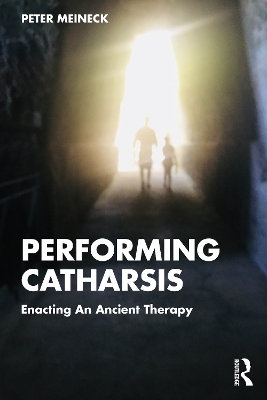
Over the course of history, theorists and philosophers have explored catharsis using Aristotle as their starting point. Meineck takes a novel approach here; embedding Aristotle within the cathartic culture that was around him, the book traces how and why catharsis was enacted in ancient Greece, from the Palaeolithic period up until the fourth century BCE, placing it in its conceptual, religious, social and philosophical context. Over twelve chapters the performance of catharsis is explored in caves in the Palaeolithic, by Greek shamanistic healer prophet figures, in the lesser and great Eleusinian mysteries and their reflection in iambic and lyric poetry, within the Homeric epic tradition, via the worship of Dionysos, and in fifth and fourth century BCE drama. Rather than seeking to know what catharsis is, we may instead ask what catharsis does and how it was practiced.

Performing Catharsis is suitable for students and scholars of the ancient world working on drama, philosophy, religion and medicine, as well as drama and performance practitioners. Readers in the health, wellbeing and medical humanities communities will also find much of interest.


What is catharsis and how exactly do pity (eleos) and fear (phobos) and other emotions achieve it? Rather than examining catharsis as described in Aristotle’s Poetics, this book instead places it within the context of performance in ancient Greece from the Palaeolithic to the fourth century BCE.

1. Introduction: Performing Catharsis;
2. Light in the Darkness: In and
out of the Paleolithic;
3. The Kathartei healers, philosophers and
performers;
4. Knowing Thyself at the Lesser Mysteries;
5. Demeters Rude
Medicine;
6. Pity and Fear at Eleusis;
7. The Iliad: Performing Pain;
8. The
Odysseys therapeutic bard;
9. Healing Dionysos;
10. Staging Psychagogia;
11.
Cathartic Narratives;
12. Aristotles Cathartic Theatre.
Peter Meineck holds the endowed chair of Professor of Classics in the Modern World at New York University (USA). Publications include The Routledge Handbook of Classics and Cognitive Theory (2019), Theatrocracy: Greek Drama, Cognition and the Imperative for Theatre (2018), Aristophanes Frogs (2021) and Tony Stark, Odysseus and the Mythology Behind Marvel (2026). He founded Aquila Theatre in London in 1991 and has produced and directed over 50 professional stage productions and directed several national arts and humanities public programs in the United States. He holds a PhD from the University of Nottingham and is also a volunteer firefighter, emergency medical, and rescue technician.