Muutke küpsiste eelistusi

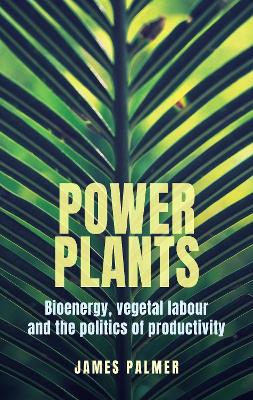
Power plants: Bioenergy, vegetal labour and the politics of productivity [Kõva köide]

  • Formaat: Hardback, 216 pages, kõrgus x laius x paksus: 234x156x19 mm, kaal: 590 g, 9 figures and 2 tables
  • Ilmumisaeg: 23-Jun-2026
  • Kirjastus: Manchester University Press
  • ISBN-10: 1526192128
  • ISBN-13: 9781526192127
  • Kõva köide
  • Hind: 94,20 €*
  • * hind on lõplik, st. muud allahindlused enam ei rakendu
  • Tavahind: 117,75 €
  • Säästad 20%
  • See raamat ei ole veel ilmunud. Raamatu kohalejõudmiseks kulub orienteeruvalt 3-4 nädalat peale raamatu väljaandmist.
  • Kogus:
  • Lisa ostukorvi
  • Tasuta tarne
  • Tellimisaeg 2-4 nädalat
  • Lisa soovinimekirja
  • Formaat: Hardback, 216 pages, kõrgus x laius x paksus: 234x156x19 mm, kaal: 590 g, 9 figures and 2 tables
  • Ilmumisaeg: 23-Jun-2026
  • Kirjastus: Manchester University Press
  • ISBN-10: 1526192128
  • ISBN-13: 9781526192127
Power Plants offers an unflinching assessment of societys underappreciated but growing addiction to the industrial burning of crops and trees for energy. As vehicles increasingly run on fuels made from sugarcane and oil-palm, wood pellets replace coal, and scientists rush to engineer crops to produce renewable jet fuel, this book blows apart bioenergys reputation as a simple, benign substitute for fossil fuels. Scrutinising modern bioenergy systems in the UK, Europe and United States, Power Plants shows how vegetal lifeforms are being enrolled to reinforce energy cultures centred around logics of efficiency, productivity and economic growth at all costs. Nonetheless, the book insists that a closer attention to plants could yet provoke a rethink of the social and economic purposes of all kinds of energy, with radical implications for ideas about growth, waste, prosperity and even pleasure. -- .

Arvustused

Power plants is a timely intervention that helps to better situate bioenergy as a solution to energy and climate crises. What sets this book apart is Palmers focus on the material properties of the plant life that comprise bioenergy. Through this lens, Palmer asks what society can learn from listening to the plants, rather than continually tryingand failingto shape plants to serve societal needs. As such, the book offers a refreshing new way of thinking about more sustainable energy futures. Dr Jennifer Baka, Associate Professor of Geography, Pennsylvania State University

Bioenergy makes up the majority of non-fossil fuel energy supplies, but plants tend to receive less attention than wind or solar power. James Palmers engaging book provides a much-needed analysis of vegetal labor, showing how plants are being put to work worldwide whether in plans for aviation biofuel or for carbon removal and storage in order to sustain the dream of endless energy expansion. Palmer illuminates the many ways that plants are distinct as energy workers, even though ecomodernists like to treat bioenergy as a smooth substitution for fossil fuels. This leads to the book's inspiring conclusion: that plants suggest different energy values, premised in vegetal rhythms of rest and activity that transcend the narrow goal of maximizing productivity. Dr Cara Daggett, Affiliate faculty, Dept of Poli Sci at VT, and Fellow, Futures of Sustainability Centre, University of Hamburg, Germany

This brilliant critique of bioenergy foregrounds the power of plants for photosynthesis. With more and more of this vegetal work earmarked for climate change mitigation, James Palmer shows how a logic of plant productivity now pervades the governance of energy-society relations. Engagingly written and informed by over a decade of original work, Palmer takes us into fields and forests where plant life is being put to work, saving capitalist commitments to growth if not the planet. Theres a daring argument here too, about the excessiveness of plant life beyond logics of work and productivity: plants true potential may lie in helping us rethink attachments to efficiency and growth. A must read for anyone who cares about resources, environments or energy transition. Professor Gavin Bridge, Department of Geography, Durham University -- .

Introduction | Power plants: Bringing energy to life
1 | Dead stocks to living flows? Bioenergy as vegetal labour
2 | The new biofuel rush: Cars, crops, climate and coloniality
3 | Growing energy on trees? Reinventing working forests as carbon conveyors
4 | Living oil fields: Reprogramming crops to mine the sun
5 | Going global: Mobilising vegetal labour for climate stabilisation
Conclusion | Rethinking plant power: For vegetal energy cultures -- .
James Palmer is Senior Lecturer in Environmental Governance at the University of Bristol -- .