Muutke küpsiste eelistusi

Python Projects for Raspberry Pi: Physical computing for work, play, and learning [Pehme köide]

  • Formaat: Paperback / softback, 240 pages, kõrgus x laius: 234x156 mm
  • Ilmumisaeg: 02-Jun-2026
  • Kirjastus: Raspberry Pi Press
  • ISBN-10: 1916868525
  • ISBN-13: 9781916868526
  • Pehme köide
  • Hind: 29,99 €
  • See raamat ei ole veel ilmunud. Raamatu kohalejõudmiseks kulub orienteeruvalt 3-4 nädalat peale raamatu väljaandmist.
  • Kogus:
  • Lisa ostukorvi
  • Tasuta tarne
  • Tellimisaeg 2-4 nädalat
  • Lisa soovinimekirja
  • Formaat: Paperback / softback, 240 pages, kõrgus x laius: 234x156 mm
  • Ilmumisaeg: 02-Jun-2026
  • Kirjastus: Raspberry Pi Press
  • ISBN-10: 1916868525
  • ISBN-13: 9781916868526

Computers are no longer beige boxes that sit on our desks or foldable aluminium books — they are embedded into almost everything we own. Our doorbells, kitchen gadgets, vacuum cleaners, and media players are all powerful computing devices running software that someone has written. Learning to program no longer means learning to control things on a screen, it means learning to control hardware that interacts with the real world.

The Raspberry Pi platforms offer a wide range of powerful ways to interact with the world, but sometimes the choice can be bewildering. Using the flexible Python programming language, we’ll show you how to get the most out of both the Pico range of microcontrollers and the larger Linux-powered Raspberry Pi boards.

Learn how to:

  • Select the perfect hardware
  • Control sensors and motors
  • Build a smart weather station
  • Make your own games console
  • Embed Artificial Intelligence into your projects

You’ll then be able to take the skills you’ve learned in the book and build your own projects powered by Raspberry Pi hardware. This book is perfect for intermediate users who want to sense, control and take over the world with homemade digital assistants, smart devices, and robots.

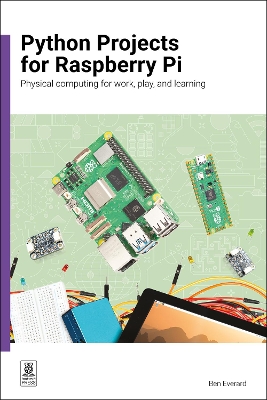
Choose your Raspberry Pi platform
How to use Python and MicroPython
More complex hardware modules
Working with displays
Advanced input and output with PIO
Creating a web interface
Sending data online
Artificial intelligence and machine learning
Raspberry Pi and Pico working together
Ben Everard enjoys working at the intersection of art and technology. He has a particular interest in light and his primary reason for making PCBs is to find more ways of adding LEDs to things. He lives in a house in Bristol with his wife, two daughters and too many animals. Ben is based in the United Kingdom.