Muutke küpsiste eelistusi

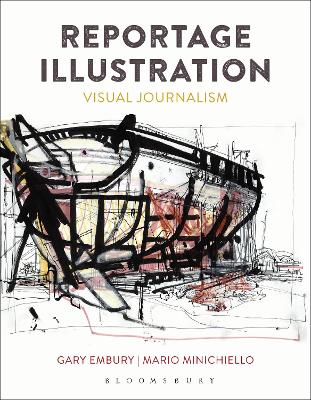
Reportage Illustration: Visual Journalism [Pehme köide]

(University of the West of England, UK),
  • Formaat: Paperback / softback, 176 pages, kõrgus x laius x paksus: 268x208x16 mm, kaal: 600 g, 200 colour illus
  • Ilmumisaeg: 11-Jan-2018
  • Kirjastus: Bloomsbury Visual Arts
  • ISBN-10: 1474224598
  • ISBN-13: 9781474224598
Teised raamatud teemal:
  • Pehme köide
  • Hind: 32,61 €*
  • * hind on lõplik, st. muud allahindlused enam ei rakendu
  • Tavahind: 43,49 €
  • Säästad 25%
  • Raamatu kohalejõudmiseks kirjastusest kulub orienteeruvalt 3-4 nädalat
  • Kogus:
  • Lisa ostukorvi
  • Tasuta tarne
  • Tellimisaeg 2-4 nädalat
  • Lisa soovinimekirja
  • Formaat: Paperback / softback, 176 pages, kõrgus x laius x paksus: 268x208x16 mm, kaal: 600 g, 200 colour illus
  • Ilmumisaeg: 11-Jan-2018
  • Kirjastus: Bloomsbury Visual Arts
  • ISBN-10: 1474224598
  • ISBN-13: 9781474224598
Teised raamatud teemal:
The power of reportage drawing is in the immediacy of the images that are created and the feeling of the illustrator's presence on location. Comparable in some ways to photojournalism, reportage illustrators are acting as visual journalists, proactively creating narrative work about issues and subjects, translating what they witness into handmade imagery. There is evidence that illustrations connect to people in powerful ways whether they are drawings created while embedded with troops in Afghanistan, documenting during a courtroom trial or recreating the energy of the crowd at a rock concert. This area of applied illustration also provides career opportunities for students and takes them out of the classroom and into different environments and situations. With practical information about tools, techniques and coping in various situations as well as inspirational interviews and advice from reportage artists working in the field, this book will fill a gap in this growing market.

Arvustused

Whether using sketchbook and pencil or adding online animation and interactive elements, the possibilities will excite illustrators who can work quickly in public and have something to say. * Communication Arts Magazine * Offers practical advice on the nitty-gritty of becoming a professional ... [ The authors have] pulled together a great bunch of artists to feature in the book ... The book is excellent in encouraging readers to continue to experiment and explore, even when they may have found their own hard-won visual language ... This is a book that challenges us to confront what we are saying in our work and how we are saying it. * Urban Sketchers * Interest in reportage keeps growing, and this book is a great primer on the subject ... Authors Gary Embury and Mario Minichiello are practitioners and educators ... and they bring clear information and an enthusiasm for their subject which is infectious ... The book provides plenty of examples of riveting work and a strong argument for the power of illustration as a witness and recorder of events through first hand observation. * Association of Illustrators Blog *

Muu info

Reportage Illustration is a practical and inspirational book for those interested in the field of observational drawing or visual journalism.
Chapter 1 What Is Reportage Drawing?
1(20)
Background
3(1)
The rise of reportage and the influence of the war artist
4(6)
The camera and the eye
10(2)
Case study: George Butler: Syria
12(4)
Interview with Jill Gibbon
16(5)
Chapter 2 Materials, Media, and Methods
21(22)
Choosing the right materials
24(7)
Technology and digital media
31(1)
Case study: Jenny Soep: Capturing a live event---the music festival
32(2)
Exercise: Drawing a live event
34(2)
Interview with Julia Midgley
36(2)
Interview with Tim Vyner
38(5)
Chapter 3 Developing a Visual Language
43(26)
Individual approaches
44(6)
Case study: Jedidiah Dore: Documenting New York City
50(2)
Case study: Sue Coe: The Elephant Nature Park in Thailand
52(3)
Exercise: Developing your visual language
55(1)
Interview with First Hand Reportage Artists Collective
56(4)
Interview with Olivier Kugler
60(9)
Chapter 4 Making a Start
69(24)
Working out logistics
71(1)
Budgets
71(2)
Allowing for lead-in time
73(1)
The first day
74(3)
Working with people
77(2)
Including the context
79(1)
Advice from the field
80(2)
Case study: Gary Embury: The Bristol bike project
82(2)
Interview with Lucinda Rogers
84(4)
Interview with Jenny Soep
88(5)
Chapter 5 Creating a Sense of Place
93(20)
Case study: Veronica Lawlor: Restoration of the Charles W. Morgan
94(2)
Guidelines for drawing on location
96(4)
Case study: Luisa Crosbie: Dressing room at Her Majesty's Theatre, London
100(4)
Case study: Anne Howeson: Drawing and memory
104(4)
Interview with Bo Soremsky
108(5)
Chapter 6 Creating a Narrative
113(16)
Using the environment to tell a story
114(2)
Developing the story
116(1)
Outlining your story
116(4)
Interview with Louis Netter
120(4)
Interview with Chloe Regan
124(3)
Exercise: Creating a story using a fixed viewpoint
127(2)
Chapter 7 Becoming a Visual Journalist
129(32)
Creating a physical portfolio
130(1)
Creating a digital portfolio
130(2)
Editing your portfolio
132(6)
The world of work
138(1)
Freelance work
138(1)
Taxes
138(1)
Positives and negatives
139(1)
Payment
139(1)
Finding work
139(1)
Speculative work
139(1)
Working through a gallery
139(1)
Building a positive track record and reputation
140(1)
Direct calling and arranging interviews
140(1)
Sharing your work
140(1)
Resources for website design and hosting platforms
140(1)
Strategies to get you online
140(1)
Tactics
141(1)
Intellectual property
141(1)
Understanding your role and negotiating a brief
141(1)
Working effectively on a brief
142(1)
Story selection and developing content for the brief
143(1)
Case study: Mario Minichiello: Working for the Weekend Financial Times
144(2)
Exercise: Developing a reportage illustration brief
146(3)
Conclusion
149(2)
Citizen journalism
151(3)
Case study: The legacy of Feliks Topolski
154(2)
Interview with Martin Harrison, Former Senior Art Director for The Times
156(5)
Appendix
161(2)
Ethics
161(1)
Contacts with supporting organizations around the world
161(2)
Credits 163(1)
Index 164
Gary Embury is a senior lecturer at the University of the West of England, Bristol and an illustrator with over 20 years of experience. Clients include The Guardian, The Daily Telegraph, Radio Times, Aardman Animations, BBC, BritishTelecom, Barclays Bank, The Economist, New Scientist, The Sunday Times Review, Sunday Times Magazine, Microsoft, Penguin Books, Macmillan, and many other advertising, editorial and publishing clients. Awarded Gold, in Images 30, The Best of British Contemporary Illustration 2006 and took part in a discussion on Radio 4s Front Row program hosted by Kirsty Lang on the future of illustration in the digital age. He is the editor of which showcases and initiates projects in the area of drawn reportage.

Mario Minichiello has held positions as a Professor at Newcastle University, Australia, Birmingham Childrens Hospital, Birmingham Institute of Art and Design and Loughborough University UK. He is also the Co-Director of FASTlab and the author of several books and papers. He is a practising Artist and Academic based in Cambridge UK.
Ei ole sisse logitud.