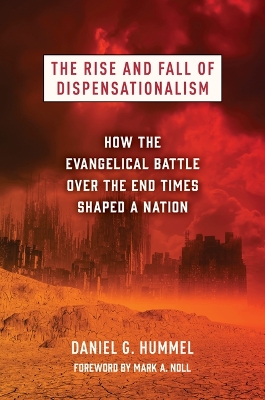
| Foreword |
|
xi | |
|
|
| Preface |
|
xv | |
| Introduction |
|
1 | (16) |
|
Rightly Dividing Dispensationalism |
|
|
4 | (2) |
|
|
|
6 | (3) |
|
The End Times and Everything Else |
|
|
9 | (3) |
|
Dispensationalism in Time and Space |
|
|
12 | (5) |
|
PART I The New Premillennialists, 1830--1900 |
|
|
17 | (96) |
|
|
|
19 | (16) |
|
|
|
21 | (4) |
|
"Evangelising the Denominations" |
|
|
25 | (2) |
|
|
|
27 | (5) |
|
|
|
32 | (3) |
|
|
|
35 | (16) |
|
John Nelson Darby in America |
|
|
38 | (4) |
|
|
|
42 | (4) |
|
|
|
46 | (2) |
|
|
|
48 | (3) |
|
3 Border-State Conversions |
|
|
51 | (16) |
|
James H. Brookes and the Church |
|
|
52 | (6) |
|
Joseph A. Seiss and the Future |
|
|
58 | (6) |
|
A Wider Interpretive Community |
|
|
64 | (3) |
|
|
|
67 | (18) |
|
Premillennialism, Old and New |
|
|
69 | (4) |
|
Frederick Grant and the Structure of Scripture |
|
|
73 | (5) |
|
Joseph A. Seiss and Numerological Premillennialism |
|
|
78 | (4) |
|
|
|
82 | (3) |
|
|
|
85 | (12) |
|
Dwight Moody, a Premillennial Revivalist |
|
|
86 | (4) |
|
Sectional Reconciliation and Interdenominationalism |
|
|
90 | (4) |
|
Therapeutic Premillennialism: It Is Well with My Soul |
|
|
94 | (3) |
|
6 The Premillennial Complex |
|
|
97 | (16) |
|
|
|
98 | (6) |
|
|
|
104 | (3) |
|
|
|
107 | (3) |
|
Blackstone's Jesus Is Coming: The First Premillennial Best Seller |
|
|
110 | (3) |
|
PART II The Dispensationalists, 1900--1960 |
|
|
113 | (118) |
|
|
|
115 | (14) |
|
Biola and West Coast Premillennialism |
|
|
115 | (3) |
|
Premillennialism and Pentecostalism |
|
|
118 | (3) |
|
Amzi C. Dixon and the Cause of Sectional Reconciliation |
|
|
121 | (4) |
|
Imagining the Kingdom in Racial Terms |
|
|
125 | (4) |
|
|
|
129 | (12) |
|
Old and New Premillennialists Divide |
|
|
130 | (2) |
|
The Scofield Reference Bible |
|
|
132 | (4) |
|
The Scofield Reference Culture |
|
|
136 | (2) |
|
A Republic of Scofield's Notes |
|
|
138 | (3) |
|
9 The "World System" and War |
|
|
141 | (18) |
|
Philip Mauro and the World System |
|
|
142 | (4) |
|
|
|
146 | (5) |
|
|
|
151 | (4) |
|
Philip Mauro's Discontent |
|
|
155 | (4) |
|
|
|
159 | (14) |
|
Laws, Fosdick, and Macartney: Denominational Fundamentalism |
|
|
161 | (4) |
|
Bryan, Norris, and Straton: Nationalist Fundamentalism |
|
|
165 | (5) |
|
Philip Mauro Coins "Dispensationalism" |
|
|
170 | (3) |
|
11 Scholastic Dispensationalism |
|
|
173 | (18) |
|
The Rise and Splintering of the World Christian Fundamentals Association |
|
|
174 | (5) |
|
Lewis Sperry Chafer and the Origins of Scholastic Dispensationalism |
|
|
179 | (4) |
|
Norris, Rice, and Jones: Separatist Fundamentalists |
|
|
183 | (4) |
|
Lewis Sperry Chafer Embraces "Dispensationalism" |
|
|
187 | (4) |
|
|
|
191 | (22) |
|
Pink, Mauro, and Allis: The Covenantalists |
|
|
192 | (6) |
|
Feinberg, Pentecost, Ryrie, and Walvoord: The Dispensational Response |
|
|
198 | (5) |
|
Ockenga, Henry, and Ladd: Neo-Evangelical Fusionism |
|
|
203 | (6) |
|
Hardening Scholastic Factions |
|
|
209 | (4) |
|
13 Dispensational Politics |
|
|
213 | (18) |
|
William Bell Riley: Forging a Dispensational Politics |
|
|
214 | (5) |
|
Theology and Politics "Hand in Hand" |
|
|
219 | (4) |
|
|
|
223 | (4) |
|
Billy Graham and the Neo-Evangelical Insurgency |
|
|
227 | (4) |
|
PART III The Pop Dispensationalists, 1960--2020 |
|
|
231 | (106) |
|
|
|
233 | (16) |
|
Hal Lindsey and The Late Great Planet Earth |
|
|
235 | (4) |
|
|
|
239 | (5) |
|
Lindsey and Smith: The Jesus People |
|
|
244 | (5) |
|
|
|
249 | (18) |
|
Walvoord and Ryrie Oversee the Scholastic Shift |
|
|
251 | (5) |
|
George Eldon Ladd and Premillennialism without Dispensationalism |
|
|
256 | (7) |
|
Dispensationalism after Fundamentalism |
|
|
263 | (4) |
|
16 The "Humanist Tribulation" |
|
|
267 | (16) |
|
Tim LaHaye and the "Humanist Tribulation" |
|
|
270 | (4) |
|
Schaeffer, Falwell, and Robertson at the "Integration Point" |
|
|
274 | (6) |
|
|
|
280 | (3) |
|
17 Saturation and Its Limits |
|
|
283 | (18) |
|
Televangelists and Electric Dispensationalism |
|
|
284 | (4) |
|
CCM and the Pop-Dispensational Complex |
|
|
288 | (4) |
|
Mega-Dispensationalism and Its Limits |
|
|
292 | (4) |
|
Southern Baptists and Sectional Rapprochment, Continued |
|
|
296 | (5) |
|
|
|
301 | (20) |
|
The Reconstructionists: Eschaton Redux |
|
|
303 | (4) |
|
The "Lordship Salvation Controversy": Deeper Cracks in Scholastic Dispensationalism |
|
|
307 | (5) |
|
Progressive Dispensationalism: Baseline Fracture |
|
|
312 | (5) |
|
A Lonely Wake for Dispensationalism |
|
|
317 | (4) |
|
19 Surveying the Aftermath |
|
|
321 | (16) |
|
Religious Culture: Pop-Dispensational Fumes |
|
|
322 | (4) |
|
Popular Culture: Entertaining a Premillennal Nation |
|
|
326 | (3) |
|
Political Culture: To the Ends of the Internet |
|
|
329 | (4) |
|
Tony Campolo: Deconstructing Dispensationalism |
|
|
333 | (4) |
| Epilogue: Maranatha |
|
337 | (6) |
| Acknowledgments |
|
343 | (2) |
| Glossary |
|
345 | (4) |
| Bibliographic Essay |
|
349 | (20) |
| Index |
|
369 | |