Muutke küpsiste eelistusi

Ruin Ecology: An Exercise in Environmental Imagination [Pehme köide]

(University of Padua)
  • Formaat: Paperback / softback, 80 pages, kaal: 130 g, Worked examples or Exercises
  • Sari: Elements in Environmental Humanities
  • Ilmumisaeg: 06-Nov-2025
  • Kirjastus: Cambridge University Press
  • ISBN-10: 1009683012
  • ISBN-13: 9781009683012
  • Pehme köide
  • Hind: 20,48 €*
  • * hind on lõplik, st. muud allahindlused enam ei rakendu
  • Tavahind: 27,30 €
  • Säästad 25%
  • Raamatu kohalejõudmiseks kirjastusest kulub orienteeruvalt 3-4 nädalat
  • Kogus:
  • Lisa ostukorvi
  • Tasuta tarne
  • Tellimisaeg 2-4 nädalat
  • Lisa soovinimekirja
  • Formaat: Paperback / softback, 80 pages, kaal: 130 g, Worked examples or Exercises
  • Sari: Elements in Environmental Humanities
  • Ilmumisaeg: 06-Nov-2025
  • Kirjastus: Cambridge University Press
  • ISBN-10: 1009683012
  • ISBN-13: 9781009683012
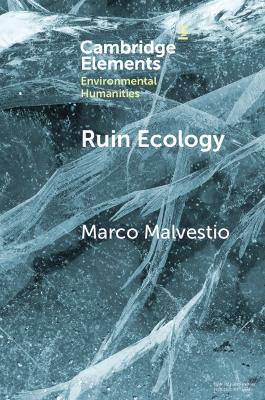
This Element discusses the presence of ruins in contemporary environmental imagination. Contemporary ruins, much more than those that served as constituents of Romantic and Gothic aesthetics, simultaneously express a fascination with and a dread of the non-human agencies at play in the world, while also countering the nostalgic dimension of traditional representations of ruins. The contemporary success of ruins can be connected to the sense of planetary precarity induced by anthropogenic climate change, and to the widespread presence of eco-anxiety in the public conscience. Moreover, at the centre of ruins' aesthetic power is the interaction of human and non-human forces, and in the process of ruination, buildings and monuments find new meaning thanks to the intervention of external agents that human civilization has long attempted to tame or eliminate and that make a disturbing return as soon as anthropic activity ceases.

Muu info

This Element provides a timely, dynamic, and in-depth analysis of the role of ruins in contemporary imagination.
Introduction: dreaming among ruins;
1. A new ruinenlust;
2. The world
without whom?;
3. An ecology of negativity;
4. The promises of ghosts;
Conclusion: the state of things to come; References.