Muutke küpsiste eelistusi

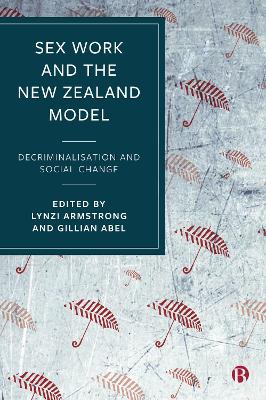
Sex Work and the New Zealand Model: Decriminalisation and Social Change [Kõva köide]

Contributions by , Contributions by , Contributions by , Contributions by (Massey University), Contributions by (New Zealand Prostitutes' Collective), Contributions by , Contributions by (University of Auckland), Contributions by , Contributions by , Contributions by
  • Formaat: Hardback, 244 pages, kõrgus x laius: 234x156 mm, Not illustrated
  • Ilmumisaeg: 22-Jul-2020
  • Kirjastus: Bristol University Press
  • ISBN-10: 152920576X
  • ISBN-13: 9781529205763
  • Formaat: Hardback, 244 pages, kõrgus x laius: 234x156 mm, Not illustrated
  • Ilmumisaeg: 22-Jul-2020
  • Kirjastus: Bristol University Press
  • ISBN-10: 152920576X
  • ISBN-13: 9781529205763
Using the evidence from New Zealand, this unique collection examines how decriminalisation is experienced by different groups of sex workers and reveals the enduring challenges for sex workers in this context. This is an invaluable contribution to the urgent debates regarding sex work laws and the global struggle to realise sex worker's rights.

Using the evidence from New Zealand, this unique collection examines how decriminalisation is experienced by different groups of sex workers and reveals the enduring challenges for sex workers in this context. This is an invaluable contribution to the urgent debates regarding sex work laws and the global struggle to realise sex worker’s rights.

More than fifteen years have passed since the law regarding sex workers in New Zealand has changed and as a model it has been endorsed as best practice by international organisations, leading scholars and sex worker-led organisations. Yet in some corners, speculation is ongoing regarding its impacts on the ground. Written by an international group of experts, this ground-breaking collection provides the much-needed in-depth research into how decriminalisation is playing out in sex worker’s lives and how different groups of sex workers are experiencing it, while uncovering the challenges and tensions that remains to be negotiated in this field. Using the evidence from New Zealand, it makes an invaluable contribution to the international debates regarding sex work laws and the global struggle to realise sex worker’s rights.
Notes on Contributors v
Acknowledgements ix
Glossary of Maori Words xi
Introduction 1(16)
Lynzi Armstrong
Gillian Abel
PART I Legislative change in New Zealand
1 `On the Clients' Terms': Sex Work Before Decriminalisation
17(22)
Jan Jordan
2 Stepping Forward Into the Light of Decriminalisation
39(22)
Dame Catherine Healy
Annah Pickering
Chanel Hati
3 The Future of Feminism and Sex Work Activism in New Zealand
61(28)
Carisa R. Showden
PART II The Diversity of Sex Workers in New Zealand
4 The Impacts of Decriminalisation for Trans Sex Workers
89(24)
Fairleigh Gilmour
5 Fear of Trafficking or Implicit Prejudice? Migrant Sex Workers and the Impacts of Section 19
113(22)
Lynzi Armstrong
Gillian Abel
Michael Roguski
6 "My Dollar Doesn't Mean I've Got Any Power or Control Over Them": Clients Speak About
135(22)
Purchasing Sex Shannon Mower
PART III Perceptions of Sex Workers in New Zealand
7 "Genuinely Keen to Work": Sex Work, Emotional Labour, and the News Media
157(20)
Gwyn Easterbrook-Smith
8 The Disclosure Dilemma: Stigma and Talking About Sex Work in the Decriminalised Context
177(22)
Lynzi Armstrong
Cherida Fraser
9 Contested Space: Street-based Sex Workers and Community Engagement
199(24)
Gillian Abel
Index 223
Lynzi Armstrong is Senior Lecturer in Criminology at Victoria University of Wellington.


Gillian Abel is Professor and Head of the Department of Population Health at the University of Otago.