Muutke küpsiste eelistusi

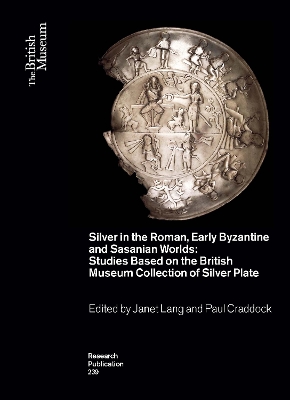
Silver in the Roman, Early Byzantine and Sasanian Worlds: Studies Based on the British Museum Collection of Silver Plate [Pehme köide]

Edited by , Edited by
  • Formaat: Paperback / softback, 300 pages, kõrgus x laius: 297x210 mm, 130
  • Ilmumisaeg: 31-May-2026
  • Kirjastus: British Museum Press
  • ISBN-10: 0861592395
  • ISBN-13: 9780861592395
  • Pehme köide
  • Hind: 45,60 €*
  • * hind on lõplik, st. muud allahindlused enam ei rakendu
  • Tavahind: 57,00 €
  • Säästad 20%
  • See raamat ei ole veel ilmunud. Raamatu kohalejõudmiseks kulub orienteeruvalt 3-4 nädalat peale raamatu väljaandmist.
  • Kogus:
  • Lisa ostukorvi
  • Tasuta tarne
  • Tellimisaeg 2-4 nädalat
  • Lisa soovinimekirja
  • Formaat: Paperback / softback, 300 pages, kõrgus x laius: 297x210 mm, 130
  • Ilmumisaeg: 31-May-2026
  • Kirjastus: British Museum Press
  • ISBN-10: 0861592395
  • ISBN-13: 9780861592395
Using unpublished scientific data from the British Museum, this book presents new insights into the manufacture and decoration of silver plate in Late Antiquity, including the extraction of silver metal, workshop traditions and the recycling of material. Contextual essays study the role of silver plate in the Roman, Byzantine and Sasanian worlds.

The British Museum holds one of the most extensive collections of Late Antique silver plate in the world, from Britain, Europe, the Mediterranean and Iran. These objects have featured in a number of major exhibitions and publications, but very little has been published on how the manufacture of these objects developed over time and their overall cultural and social significance. Using unpublished scientific data, this volume presents new insights into the manufacture and decoration of silver plate in Late Antiquity from Britain to Iran, including the extraction of silver metal, workshop traditions and the recycling of older material. One area of focus is how the adoption of silver for coinage in the first millennium BC had a profound and lasting influence on the technology, economy and artistic production of silver plate in Late Antiquity.

Wider contextual essays study the role of silver plate in the Roman, Byzantine and Sasanian worlds, including how silver plate was used in diplomatic exchanges, ostentatious displays of wealth, taxation and votive gifts to the gods. This multi-disciplinary approach allows comparisons to be made between how silver plate was used across Late Antiquity, providing unique insights into these objects of wonder.
Introduction Janet Lang and Paul Craddock
Chapter 1 Primary production and manufacture Paul Craddock
Chapter 2 The production of silverware in Antiquity Janet Lang, Paul
Craddock and Aude Mongiatti
Chapter 3 Embellishment, finishing and an overview Janet Lang, Paul
Craddock and Aude Mongiatti
Chapter 4 Silver plate in the Roman and Byzantine world Richard Hobbs
Chapter 5 East of Rome: Sasanian and related silver in the British Museum
St John Simpson

Catalogue of examinations
Appendices
Bibliography
Index
Janet Lang is Visiting Academic at the British Museum and a former member of staff in the Department of Scientific Research at the British Museum, specialising in research into the metallurgy and metallography of ancient silver, iron and steel. She has published extensively on the manufacture of silver in the Classical world. Paul Craddock graduated in chemistry from the University of Birmingham in 1966 and joined the British Museum where he remained for the rest of his career. He worked first as an analyst, but latterly he has researched all aspects of early mining, extractive metallurgy and metalworking. This has included excavating early mines and smelting sites around the world as well as the scientific and technical study of archaeological and historical artefacts.