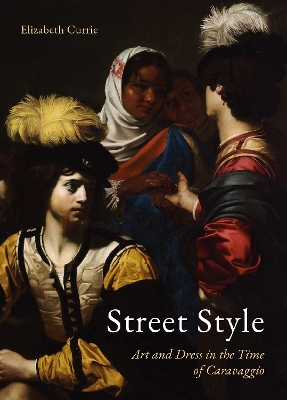
"Elizabeth Curries Street Style draws our attention to fashion and dress in Caravaggios paintings, and in those of his followers, and connects them to the wider range of media especially printed albums and encyclopedic texts that depicted the lives of the poor in Rome. Currie makes us notice details we might miss or not know how to read . . . The book deepens our understanding of street life paintings and gives a glimpse of what fashion meant to ordinary people." - Erin Maglaque, London Review of Books "Street Style presents a vivid array of subjects from the everyday world that fascinated early seventeenth-century painters in Rome soldiers, gypsies, prostitutes, pilgrims and beggars. It brilliantly unites literary, art and social history, suggesting both the real life of the individuals and their role as stock characters. A deep knowledge of dress and clothing that's fundamental to the narrative has enabled fascinating new readings of major works by Caravaggio and his circle." - Helen Langdon, author of Salvator Rosa: Paint and Performance "Sporting a rich array of early modern images in paint and print, especially from Baroque artists working in Italy, Street Style delivers a lively cultural history of European clothing with a welcome, fresh focus on types of men and women from marginal social groups. The author smartly shows how genre art is no simple mirror of a past world but a broader cultural representation of ways of wearing and living." - Elizabeth S. Cohen, York University (Toronto) "Elizabeth Curries Street Style uses the sometimes boldly stylish and sometimes ragged clothing of Baroque Romes most marginalized inhabitants to illuminate the astonishingly complex relationship between art and society during the age of Caravaggio. Curries expertise in the history of clothing and wide knowledge of new scholarly findings about the texture of daily life in this period enable her to crack the (dress) code. As a result, the intended narratives in genre paintings by these artists gain new clarity, and the struggles of those trying to survive and prosper in this turbulent religious capital gain new resonance." - Paul H. D. Kaplan, Professor and Chair of Art History, Purchase College, SUNY