Muutke küpsiste eelistusi

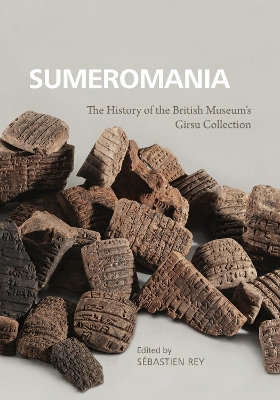
Sumeromania: The History of the British Museums Girsu Collection [Kõva köide]

Edited by
  • Formaat: Hardback, 316 pages, kõrgus x laius x paksus: 254x178x27 mm, kaal: 188 g, 97 Halftones, color
  • Ilmumisaeg: 23-Jun-2026
  • Kirjastus: Eisenbrauns
  • ISBN-10: 1646023579
  • ISBN-13: 9781646023578
Teised raamatud teemal:
  • Kõva köide
  • Hind: 97,49 €
  • See raamat ei ole veel ilmunud. Raamatu kohalejõudmiseks kulub orienteeruvalt 3-4 nädalat peale raamatu väljaandmist.
  • Kogus:
  • Lisa ostukorvi
  • Tasuta tarne
  • Tellimisaeg 2-4 nädalat
  • Lisa soovinimekirja
  • Formaat: Hardback, 316 pages, kõrgus x laius x paksus: 254x178x27 mm, kaal: 188 g, 97 Halftones, color
  • Ilmumisaeg: 23-Jun-2026
  • Kirjastus: Eisenbrauns
  • ISBN-10: 1646023579
  • ISBN-13: 9781646023578
Teised raamatud teemal:
Sumeromania uncovers the dramatic and complex story behind one of the British Museums most important holdings: its vast collection of objects from the ancient Sumerian city of Girsu (modern Tello, Iraq). From statues of rulers to thousands of cuneiform tablets, these artifacts entered the museum during a period of fierce competition among empires, archaeologists, and dealers.

Drawing on an extraordinary archive of correspondence, reports, and trustees minutes, the book reconstructs how these objects were unearthed, purchased, and transported between the mid-nineteenth and early twentieth centuries. It reveals the entanglements of Ottoman authorities, French excavators, British officials, and an international network of antiquities dealers, while also tracing the museums evolving accession practices. By linking archival documents with objects in the collection, Sumeromania not only provides a reassessment of provenance but also resituates these materials within their archaeological and geopolitical contexts.

In doing so, the book offers a major contribution to the study of the history of archaeology, museum collecting, and imperialism. It reconfigures our understanding of how modern institutions came to shapeand distortthe material record of ancient Mesopotamia. Specialists in ancient Near Eastern studies, Assyriology, and archaeology will find new insights into Girsus recovery, while scholars of museum studies, the history of collecting, and British imperial history will discover a case study rich in archival detail and contemporary resonance.
List of Illustrations

Preface

List of Abbreviations

1. Prologue: The Recovery of Ancient Sumer

2. Girsu: The First Evidence of a Lost Civilisation

3. Imperial Geopolitics and the Growth of Systematic Archaeology in Southern
Iraq

4. Nineteenth- Century Encounters with Gudea

5. George Smith: An Untimely and Irreparable Loss

6. Sarzec and Rassam in Tello: Rivalry and Deceptions

7. The Pivotal Role of E. A. Wallis Budge

8. Sarzecs Return to Tello and an Extended Absence: 1880 to 1891

9. A Flood of Tablets!

10. Budge Keeps Afloat: British Museum Purchases in 1895

11. The Insatiable Appetite for Tablets from Tello: 1896 and 1897

12. The Baghdad Dealer Network Expands: British Museum Purchases in 1898 and
1899

13. Budges Activities in the Post-Sarzec Era: 19001903

14. British Museum Purchases During the Renewed French Excavations: 1903 to
1933

15. Epilogue: The Hands of the Gudea Colossus

References

Illustration Credits

Index
Sébastien Rey is the Curator for ancient Mesopotamia at the British Museum and Director of the Girsu Project in Iraq. Among his most recent publications are For the Gods of Girsu: City-State Formation in Ancient Sumer, No Mans Land, Thunderbird: A Temple Hymn from Ancient Sumer, Cosmic Mountain, and The Temple of Ningirsu: The Culture of the Sacred in Mesopotamia, the last also copublished by Eisenbrauns and the British Museum.