Muutke küpsiste eelistusi

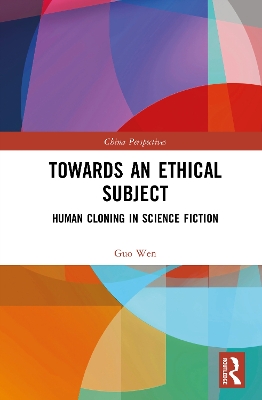
Towards an Ethical Subject: Human Cloning in Science Fiction [Kõva köide]

  • Formaat: Hardback, 248 pages, kõrgus x laius: 234x156 mm
  • Sari: China Perspectives
  • Ilmumisaeg: 19-Jun-2026
  • Kirjastus: Routledge
  • ISBN-10: 1032672110
  • ISBN-13: 9781032672113
Teised raamatud teemal:
  • Kõva köide
  • Hind: 149,06 €*
  • * hind on lõplik, st. muud allahindlused enam ei rakendu
  • Tavahind: 198,75 €
  • Säästad 25%
  • See raamat ei ole veel ilmunud. Raamatu kohalejõudmiseks kulub orienteeruvalt 3-4 nädalat peale raamatu väljaandmist.
  • Kogus:
  • Lisa ostukorvi
  • Tasuta tarne
  • Tellimisaeg 2-4 nädalat
  • Lisa soovinimekirja
  • Formaat: Hardback, 248 pages, kõrgus x laius: 234x156 mm
  • Sari: China Perspectives
  • Ilmumisaeg: 19-Jun-2026
  • Kirjastus: Routledge
  • ISBN-10: 1032672110
  • ISBN-13: 9781032672113
Teised raamatud teemal:
This book offers a groundbreaking literary-ethical examination of cloning narratives in science fiction, positioning itself at the intersection of speculative fiction and emerging biotechnological realities.

As cloning steps out of science fiction and into our tangible reality, this book turns to the powerful stories we have been long told about duplication of life. They are not fantastical predictions, but deeply human parables that help us grasp what may lie ahead. This engaging journey across iconic novels and films from both Eastern and Western traditions reveals how these narratives have consistently explored timeless philosophical questions. What makes us who we are? How do memory and experience shape identity? And where should we draw the line in our scientific ambition? More than entertainment, these stories function as collective ethical rehearsals, offering readers an accessible and thought-provoking guide to a future that is already knocking at our door.

Literature scholars and students, especially those interested in science fiction, human cloning, and ethics, will find this title appealing. Beyond academia, this book's exploration of cloning ethics in sci-fi makes it a compelling read for librarians and general readers alike.

Arvustused

Cloning embodies the highest dream of technology. Science-fiction is the genre in which this dream has been both magnified and criticized. Deploying an extraordinary array of perspectives, Guo Wen leaves no clone unturned to blend ethical questions with rewarding close readings of key texts, thus providing an exciting and original survey of the joined fields of science and fiction.

Jean-Michel Rabaté, University of Pennsylvania and American Academy of the Arts and Sciences

Guo Wens monograph represents a significant and original contribution to the field of science fiction studies. Applying the distinctive framework of Literary Ethical Criticism developed within Chinese literary theory, the work offers a compelling analysis of clone narratives. By examining the tension between scientific choice and ethical choice through the lens of the Sphinxs riddle, the study provides fresh perspectives on the evolving nature of humanity in the posthuman age. This thoughtful integration of Chinese theoretical approaches with global science fiction scholarship makes the book an important and timely addition to contemporary literary criticism.

Nie Zhenzhao, President of the International Association for Ethical Literary Criticism and International Fellow of the British Academy and a Foreign Member of the Academia Europaea

1. Introduction
2. Human Cloning Science Fiction and the Identity of
Clones
3. Coexistence of Clones and Natural Humans: Identity Quest in Ethical
Chaos
4. Cloned Individuals and Groups: The Metaphor of Replication and
Identity
5. Clones and Society: Utopias or Dystopias
6. Conclusion
Guo Wen is a professor at the School of Foreign Languages and Literature, Suzhou University of Science and Technology, China. She is mainly engaged in the studies of science fiction, unnatural narrative and ethical literary criticism.