Muutke küpsiste eelistusi

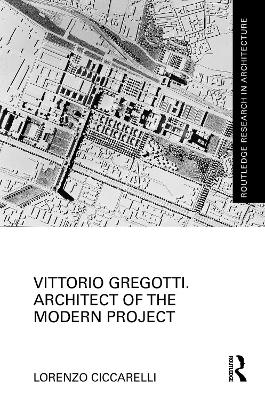
Vittorio Gregotti. Architect of the Modern Project: Architect of the Modern Project [Pehme köide]

  • Formaat: Paperback / softback, 198 pages, kõrgus x laius: 234x156 mm, 7 Line drawings, black and white; 66 Halftones, black and white; 73 Illustrations, black and white
  • Sari: Routledge Research in Architecture
  • Ilmumisaeg: 22-Jun-2026
  • Kirjastus: Routledge
  • ISBN-10: 1032915374
  • ISBN-13: 9781032915371
  • Pehme köide
  • Hind: 48,81 €*
  • * hind on lõplik, st. muud allahindlused enam ei rakendu
  • Tavahind: 65,09 €
  • Säästad 25%
  • See raamat ei ole veel ilmunud. Raamatu kohalejõudmiseks kulub orienteeruvalt 3-4 nädalat peale raamatu väljaandmist.
  • Kogus:
  • Lisa ostukorvi
  • Tasuta tarne
  • Tellimisaeg 2-4 nädalat
  • Lisa soovinimekirja
  • Formaat: Paperback / softback, 198 pages, kõrgus x laius: 234x156 mm, 7 Line drawings, black and white; 66 Halftones, black and white; 73 Illustrations, black and white
  • Sari: Routledge Research in Architecture
  • Ilmumisaeg: 22-Jun-2026
  • Kirjastus: Routledge
  • ISBN-10: 1032915374
  • ISBN-13: 9781032915371
This is not only a book about Vittorio Gregottis projects and works, but rather a historicalcritical analysis of his peculiar figure. Like a few others, Gregotti embodied the model of the architectintellectual that characterised postwar Italian design culture. Editor of leading magazines, author of influential books and essays, professor at prestigious universities, curator of memorable exhibitions and events such as the 1976 Venice Biennale and founder of a firm that developed a wide range of projects for over 40 years, Gregotti tenaciously occupied all the territories available to the architectural profession, promoting cultural and design trends and triggering longlasting controversies.

This book examines the formation of Gregottis theoretical positions around the notions of territory and modification, the connection with the profession, the relationship with history and the tradition of modern architecture, the notion of critical internationalism and the idea of the city and urban design in an era of increasing disurbanism. All aspects of a cultural project aimed at shaping and elaborating a certain tradition of modern architecture in the different social and economic conditions of his time, namely the emerging society of entertainment and consumption, and then of information technologies and global financial markets.

This work will be of interest to postgraduate researchers and academics in architectural theory and history, as well as urban design and planning theory and history.

Arvustused

Lorenzo Ciccarelli delivered a brilliant comprehensive study of the work of the ltalian architectintellectual Vittorio Gregotti who was particularly active as a professional architect and as a critical intellectual between the middle of the last century and the early years of this present century.

Kenneth Frampton, Emeritus Professor of Architecture at the GSAPP at Columbia University, New York

Vittorio Gregottis importance as an architect, critic and editor cannot be overstated. His Casabella shaped what was known and said about architecture for decades; through his own practice he reset architectural design and production for a territorial scale. In this fine new book, Lorenzo Ciccarelli introduces a legacy in the making, locating and articulating Gregottis significant contribution to architecture since the end of the 1940s as questions of history, institutions and thought.

Andrew Leach, Professor of Architecture, University of Sydney

List of figures

Acknowledgements

Introduction

1. The Architects Territory

2. Avant-Garde and Profession

3. The Construction of the Past

4. Critical Internationalism

5. City and Resistance

Conclusion

Selected Writings

Selected Bibliography

Selected Works and Projects

Index
Lorenzo Ciccarelli is Associate Professor in History of Architecture at the University of Florence. His research focuses on modern and contemporary architecture in a global perspective, with special attention to cultural migrations and labour organisation strategies.