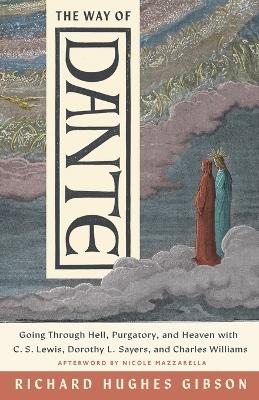
"Richard Hughes Gibson reveals the profound influence of the medieval Italian poet Dante Alighieri on Dorothy L. Sayers, Charles Williams, and C. S. Lewis in this book, adapted from the 2024 Hansen Lectureship series. Gibson follows Sayers, Williams, andLewis as they read and reflect on the three stages of The Divine Comedy, Dante's famous allegorical trek through Hell, Purgatory, and Heaven. These essays reveal the urgent psychological, social, and theological lessons that our three authors learned from Dante and, in turn, how those lessons shaped their mature writings"-- Provided by publisher.
Rediscovering Dante with Lewis, Sayers, and Williams
For centuries, readers have marveled at the imaginative brilliance of authors like C. S. Lewis, Dorothy L. Sayers, and Charles Williams. But what inspired these literary giants? The Way of Dante takes you on a journey of discovering how the medieval poet Dante Alighieri and his masterwork, The Divine Comedy, shaped their thoughts, artistry, and faith.
In The Way of Dante, Richard Hughes Gibson reveals the profound influence of The Divine Comedy on the writings of Sayers, Williams, and Lewis through
- Following the authors as they read, reflect on, and debate Dante’s allegorical journey through hell, purgatory, and heaven
- Challenging common misconceptions about Dante’s work
- Exploring how Dante prompts reflection on sin, love, and glory
- Revealing the psychological, social, and theological lessons learned
The Way of Dante is ideal for readers, scholars, teachers, and students interested in The Divine Comedy; the works of Sayers, Lewis, and Williams; or the spiritual dimensions of storytelling. Step into the minds of three of the 20th century’s most beloved writers and be inspired to view Dante through a new lens.
About the Series
Based on the annual lecture series hosted at Wheaton College's Marion E. Wade Center, volumes in the Hansen Lectureship Series reflect on the imaginative work and lasting influence of seven British authors: Owen Barfield, G. K. Chesterton, C. S. Lewis, George MacDonald, Dorothy L. Sayers, J. R. R. Tolkien, and Charles Williams.