Muutke küpsiste eelistusi

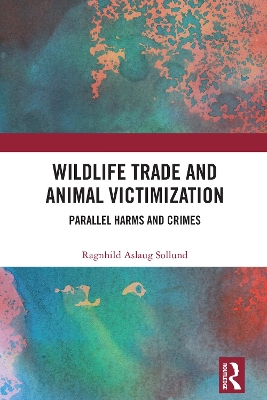
Wildlife Trade and Animal Victimization: Parallel Harms and Crimes [Kõva köide]

  • Formaat: Hardback, 174 pages, kõrgus x laius: 234x156 mm, kaal: 440 g, 10 Tables, black and white
  • Ilmumisaeg: 31-Mar-2025
  • Kirjastus: Routledge
  • ISBN-10: 0367639068
  • ISBN-13: 9780367639068
  • Kõva köide
  • Hind: 159,19 €*
  • * hind on lõplik, st. muud allahindlused enam ei rakendu
  • Tavahind: 212,25 €
  • Säästad 25%
  • Raamatu kohalejõudmiseks kirjastusest kulub orienteeruvalt 3-4 nädalat
  • Kogus:
  • Lisa ostukorvi
  • Tasuta tarne
  • Tellimisaeg 2-4 nädalat
  • Lisa soovinimekirja
  • Raamatukogudele
  • Formaat: Hardback, 174 pages, kõrgus x laius: 234x156 mm, kaal: 440 g, 10 Tables, black and white
  • Ilmumisaeg: 31-Mar-2025
  • Kirjastus: Routledge
  • ISBN-10: 0367639068
  • ISBN-13: 9780367639068
"This book examines the trade in nonhuman animals of endangered wild species. Wildlife trafficking is, after loss of habitat, the biggest threat to many animal species and biodiversity. This book draws on extensive empirical data from Norway to highlightthe parallel legal and illegal markets, the motivation of traders, animal victimization, weaknesses of existing regulatory frameworks, and difficulties of legal enforcement. As a long-time signatory of the Convention on International Trade in Endangered Species of Wild Fauna and Flora, and a rich consumer country, Norway provides the perfect case for investigating the consequences of legalising or banning wildlife trade. The work applies a green, non speciesist theoretical perspective to analyse empirical data covering approximately 350 cases as well as qualitative interviews with law enforcement agencies and confiscation reports from Customs. The book will be an essential resource for researchers and academics in green criminology, global criminology, environmental law and environmental studies. It will also be of value to professionals working in wildlife and animal welfare policies and enforcement, such as governmental and non-governmental organizations"--

This book examines the trade in nonhuman animals of endangered wild species. Wildlife trafficking is, after loss of habitat, the biggest threat to many animal species and biodiversity. This book draws on extensive empirical data from Norway to highlight the parallel legal and illegal markets, the motivation of traders, animal victimization, the weaknesses of existing regulatory frameworks, and the difficulties of legal enforcement. As a long-time signatory of the Convention on International Trade in Endangered Species of Wild Fauna and Flora, and a rich consumer country, Norway provides the perfect case for investigating the consequences of legalising or banning wildlife trade. The work applies a green, non-speciesist theoretical perspective to analyse empirical data covering approximately 350 cases as well as qualitative interviews with law enforcement agencies and confiscation reports from customs. The book will be an essential resource for researchers and academics in green criminology, global criminology, environmental law and environmental studies. It will also be of value to professionals working in wildlife and animal welfare policies and enforcement, such as governmental and non-governmental organizations.


This book examines the trade in nonhuman animals of endangered wild species. It draws on extensive empirical data from Norway to highlight the parallel legal and illegal markets, the motivation of traders, animal victimization, weaknesses of existing regulatory frameworks, and difficulties of legal enforcement.

Arvustused

'Wildlife Trade and Animal Victimization: Parallel Harms and Crimes is Ragnhild Sollunds best book to dateunique in the way that it combines passionate pleas to end nonhuman animal suffering with methodologically rigorous findings and theoretically sophisticated analysis. If you are not enraged by the time you finish the book, you lack a pulse!'

Avi Brisman, Professor, Eastern Kentucky University

'Ragnhild Sollund is a pioneering investigator of wildlife trafficking, campaigner against speciesism, and a founding contributor to green criminology. Her recent work has revealed the shortcomings of domestic and international protections for endangered species. This book brings her work together in a profound, passionate and expert overview of human exploitation and victimisation of other species.'

Nigel South, Emeritus Professor of Sociology and Criminology, University of Essex

'This groundbreaking book exposes the intricate power dynamics, the legal-illegal interfaces, and the multifaceted victimization behind the wildlife trade. From a non-speciesist approach, Ragnhild Sollund critically interrogates the anthropocentric dichotomy between individual and species rights and introduces steppingstones toward justice and better lives for all.'

Daan van Uhm, Associate professor of Criminology, Utrecht University

`Sollund succeeds in reframing wildlife trade as a serious form of victimization, one deserving of the same criminological attention afforded to interpersonal violence. Her meticulous research, compassionate analysis, and unsparing critique render this book essential reading for criminologists, environmental scholars, enforcement agencies, and anyone concerned with justice beyond the human. It is difficult to offer criticism of a work so compelling, so ethically clear, and so urgently needed. Sollunds monograph stands as a landmark text in green criminology and a powerful argument for why the trade in wild animals, legal or illegal, must end.

Arjun R. Awasthi, The British Journal of Criminology, 2026, 00, 13 https://doi.org/10.1093/bjc/azaf126

Preface;
1. Introduction;
2. Wildlife trade/trafficking;
3. Trends in seizure reports and case file material;
4. Reptile trafficking, when combined with other criminal offenses;
5. Reptile trafficking and keeping as sole crime - when reptiles were illegal;
6. The consequences of the lift of the reptile ban;
7. Making a business from and laundering wildlife into legitimate enterprises;
8. CITES products from animals and trophies trafficked to Norway;
9. The development of wildlife trade enforcement in Norway;
10. Conclusion and the way forward; References

Ragnhild Aslaug Sollund is Professor in the Department of Criminology and Sociology of Law, the University of Oslo, Norway.