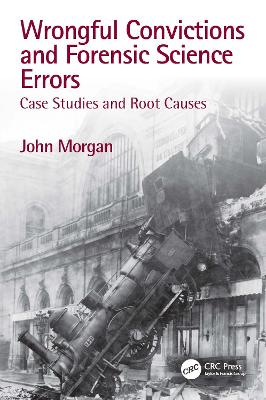
Forensic Science Errors and Wrongful Convictions: Case Studies and Root Causes provides a rigorous and detailed examination of two key issues: the continuing problem of wrongful convictions and the role of forensic science in these miscarriages of justice. This comprehensive textbook covers the full breadth of the topic. It looks at each type of evidence, historical factors, system issues, organizational factors, and individual examiners.
Forensic science errors may arise at any time from crime scene to courtroom. Probative evidence may be overlooked at the scene of a crime, or the chain of custody may be compromised. Police investigators may misuse or ignore forensic evidence. A poorly-trained examiner may not apply the accepted standards of the discipline or may make unsound interpretations that exceed the limits of generally accepted scientific knowledge. In the courtroom, the forensic scientist may testify outside the standards of the discipline or fail to present exculpatory results. Prosecutors may suppress or mischaracterize evidence, and judges may admit testimony that does not conform to rules of evidence. All too often, the accused will not be afforded an adequate defense—especially given the technical complexities of forensic evidence. These issues do not arise in a vacuum; they result from system issues that are discernable and can be ameliorated.
Author John Morgan provides a thorough discussion of the policy, practice, and technical aspects of forensic science errors from a root-cause, scientific analysis perspective. Readers will learn to analyze common issues across cases and jurisdictions, perform basic root cause analysis, and develop systemic reforms. The reader is encouraged to assess cases and issues without regard to preconceived views or prejudicial language. As such, the book reinforces the need to obtain a clear understanding of errors to properly develop a set of effective scientific, procedural, and policy reforms to reduce wrongful convictions and improve forensic integrity and reliability.
Written in a format and style accessible to a broad audience, Forensic Science Errors and Wrongful Convictions presents a thorough analysis across all of these issues, supported by detailed case studies and a clear understanding of the scientific basis of the forensic disciplines.
This book provides a rigorous and detailed examination of the continuing problem of wrongful convictions and the role of forensic science in these miscarriages of justice. This comprehensive textbook looks at each type of evidence, historical factors, system issues, organizational factors, and individual examiners.