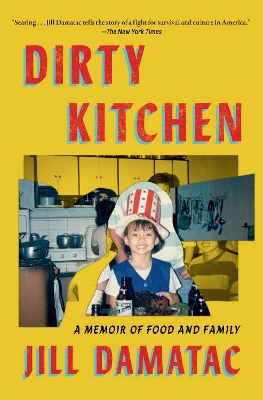
A searing memoir. I love how Damatac integrates recipes into her narrative; food occupies a substantial portion of the immigrant identity. Vivek Shankar, The New York Times
This unblinking . . . fierce book may include chapters named Spamsilog and Halo-Halo, but the author makes no effort to lull the reader into complicity.. . . . There are no shortcuts; Damatac and her recipes are not here for your convenience. The recipes that intersperse the text serve as both escape and reminder, toggling between the ancient past of Indigenous myth, layers of colonial scarring, childhood, the present. And yet, she persevered. She observed and studied from her vantage point between worlds. . This is not an easy memoir, nor should it be. Damatac writes, she says, to document myself into existence. And, as she says of some of her recipes, it will serve many. Sadie Stein, The New York Times Book Review Recommended to readers of Elaine Castillo, Stephanie Foo, Qian Julie Wang, and Tara Westover. It showcases the survival of the spirit and the sustaining power of heritage. Jill Damatac's forthright foodoir calls out injustices: not just personal trauma, but the colonization of the Philippines and U.S. immigration policies that kept her undocumented for 22 years. Rebecca Foster, Shelf Awareness [ starred review]
With emotional intelligence, clarity, and grace, Dirty Kitchen explores fractured memories to ask questions of identity, colonialism, immigration, and belonging, and to find ways in which the ritual, tradition, and comfort of food can answer them. Daily Kos
This latest addition to the foodie-memoir canon is a bit different. Rather than relying on the tried-and-true formula featuring recipes as scrumptious segues into fond memories of belonging and home Damatac does the opposite. She uses the preparation of signature Filipino dishes like sisig na baboy (pork cooked three ways) and adobong manok (chicken adobo) as a gateway to highlighting generational trauma and what it means to be undocumented in America today A fiercely honest, eye-opening view of one undocumented familys experiences trying to start over in a new world. Alexis Burling, The San Francisco Chronicle
A hard journey to freedom. Damatac weaves history, mythology, and recipes into an affecting memoir of abuse, grief, longing, and frustration. Kirkus Reviews "Dirty Kitchen is not only an astonishing memoirit is a bravura juggling act of genre, and a vivid testament to resilience. An absolute marvel." Jose Antonio Vargas, bestselling author of Dear America: Notes of an Undocumented Citizen
Part personal memoir, part cultural analysis, and all heart, Dirty Kitchen invites us into Jill Damatac's searing journey from decades of undocumented invisibility through the slow and recursive process of healing. Vulnerable and gripping, Damatac's debut explores what it means to reclaim one's life from the jaws of generational trauma and colonialism, while honoring the great ancestral gifts of Filipino heritage. Dirty Kitchen heralds the arrival of an unforgettable new talent. This book will make you cry, laugh, and hunger for more, and Damatac's wisdoms will leave you forever changed. Qian Julie Wang, New York Times bestselling author of Beautiful Country
There's a blue fire to Jill Damatac's way with words. In Dirty Kitchen, history itself burns sapphire bright. Saeed Jones, author of Alive at the End of the World and How We Fight For Our Lives
Dirty Kitchen is a feast of many ingredients: at once a searing, heartfelt account of one undocumented familys life as told through dish after mouthwatering dish, as well as a fierce, unflinching look at the indigenous and colonial history that seasons every meal. This is a book that knows that the root of the word recipe is to receiveone that shows us, with profound resolve and tenderness, all the things we receive with every meal: every pleasure, every pain, every story, every ghost. A book to sate multiple hungers, that leaves its reader truly fed. Elaine Castillo, author of America Is Not The Heart
As nimble and bold as the dishes she describes, Jill Damatac confronts the intersectional cruelties of colonialism and patriarchy with an unflinching spirit. Damatac celebrates the resilience of Filipino food as an ingredient for healing passed down through the ancestors. Dirty Kitchen is a literary feast that sticks to your fingers like a sumptuous kamayan. Albert Samaha, author of Concepcion: Conquest, Colonialism, and an Immigrant Familys Fate
"Jill Damatac brings together myth and memory, history and hauntings, colonialism and catharsis and seats them around her table. Any reader of Dirty Kitchen is in for a feast when they pull up a chair." Alejandra Oliva, author of Rivermouth: A Chronicle of Language, Faith and Migration A searing memoir. I love how Damatac integrates recipes into her narrative; food occupies a substantial portion of the immigrant identity. Vivek Shankar, The New York Times
This unblinking . . . fierce book may include chapters named Spamsilog and Halo-Halo, but the author makes no effort to lull the reader into complicity.. . . . There are no shortcuts; Damatac and her recipes are not here for your convenience. The recipes that intersperse the text serve as both escape and reminder, toggling between the ancient past of Indigenous myth, layers of colonial scarring, childhood, the present. And yet, she persevered. She observed and studied from her vantage point between worlds. . This is not an easy memoir, nor should it be. Damatac writes, she says, to document myself into existence. And, as she says of some of her recipes, it will serve many. Sadie Stein, The New York Times Book Review Recommended to readers of Elaine Castillo, Stephanie Foo, Qian Julie Wang, and Tara Westover. It showcases the survival of the spirit and the sustaining power of heritage. Jill Damatac's forthright foodoir calls out injustices: not just personal trauma, but the colonization of the Philippines and U.S. immigration policies that kept her undocumented for 22 years. Rebecca Foster, Shelf Awareness [ starred review]
With emotional intelligence, clarity, and grace, Dirty Kitchen explores fractured memories to ask questions of identity, colonialism, immigration, and belonging, and to find ways in which the ritual, tradition, and comfort of food can answer them. Daily Kos
This latest addition to the foodie-memoir canon is a bit different. Rather than relying on the tried-and-true formula featuring recipes as scrumptious segues into fond memories of belonging and home Damatac does the opposite. She uses the preparation of signature Filipino dishes like sisig na baboy (pork cooked three ways) and adobong manok (chicken adobo) as a gateway to highlighting generational trauma and what it means to be undocumented in America today A fiercely honest, eye-opening view of one undocumented familys experiences trying to start over in a new world. Alexis Burling, The San Francisco Chronicle
A hard journey to freedom. Damatac weaves history, mythology, and recipes into an affecting memoir of abuse, grief, longing, and frustration. Kirkus Reviews "Dirty Kitchen is not only an astonishing memoirit is a bravura juggling act of genre, and a vivid testament to resilience. An absolute marvel." Jose Antonio Vargas, bestselling author of Dear America: Notes of an Undocumented Citizen
Part personal memoir, part cultural analysis, and all heart, Dirty Kitchen invites us into Jill Damatac's searing journey from decades of undocumented invisibility through the slow and recursive process of healing. Vulnerable and gripping, Damatac's debut explores what it means to reclaim one's life from the jaws of generational trauma and colonialism, while honoring the great ancestral gifts of Filipino heritage. Dirty Kitchen heralds the arrival of an unforgettable new talent. This book will make you cry, laugh, and hunger for more, and Damatac's wisdoms will leave you forever changed. Qian Julie Wang, New York Times bestselling author of Beautiful Country
There's a blue fire to Jill Damatac's way with words. In Dirty Kitchen, history itself burns sapphire bright. Saeed Jones, author of Alive at the End of the World and How We Fight For Our Lives
Dirty Kitchen is a feast of many ingredients: at once a searing, heartfelt account of one undocumented familys life as told through dish after mouthwatering dish, as well as a fierce, unflinching look at the indigenous and colonial history that seasons every meal. This is a book that knows that the root of the word recipe is to receiveone that shows us, with profound resolve and tenderness, all the things we receive with every meal: every pleasure, every pain, every story, every ghost. A book to sate multiple hungers, that leaves its reader truly fed. Elaine Castillo, author of America Is Not The Heart
As nimble and bold as the dishes she describes, Jill Damatac confronts the intersectional cruelties of colonialism and patriarchy with an unflinching spirit. Damatac celebrates the resilience of Filipino food as an ingredient for healing passed down through the ancestors. Dirty Kitchen is a literary feast that sticks to your fingers like a sumptuous kamayan. Albert Samaha, author of Concepcion: Conquest, Colonialism, and an Immigrant Familys Fate
"Jill Damatac brings together myth and memory, history and hauntings, colonialism and catharsis and seats them around her table. Any reader of Dirty Kitchen is in for a feast when they pull up a chair." Alejandra Oliva, author of Rivermouth: A Chronicle of Language, Faith and Migration